Disco travels from Paris to the Wereldmuseum
Wereldmuseum Amsterdam turns 835 square metres into one big dance floor, with hundreds of tracks, art, fashion and a Dutch corner. DISCO can be seen until 22 August 2027.
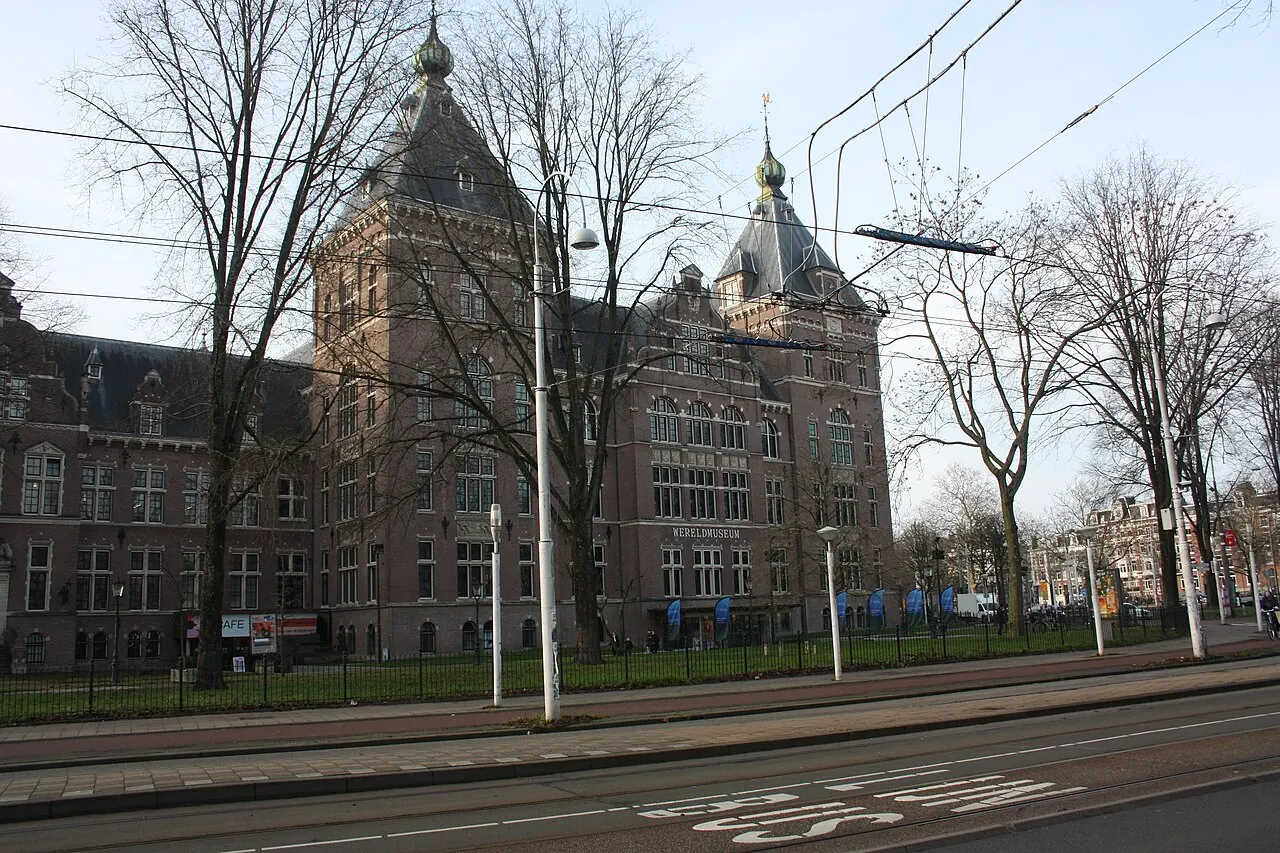
On the dance floor there was only one rule: you were there to dance and to be yourself. That is the starting point of DISCO at Wereldmuseum Amsterdam, Linnaeusstraat 2. The museum turns a floor of 835 square metres into one big dance floor. The exhibition runs until 22 August 2027.
DISCO comes from Paris. The exhibition was conceived by the Musée de la Musique – Philharmonie de Paris, where it was on show from 14 February to 17 August 2025, and curated by Jean-Yves Leloup and Marion Challier. For Amsterdam, the Wereldmuseum added the Dutch context and adapted the design. In Paris the route followed four sections: Let’s Groove, I am What I am, Night Fever and Celebration. In Amsterdam, visitors pass hundreds of original disco tracks, videos, art, fashion and design.
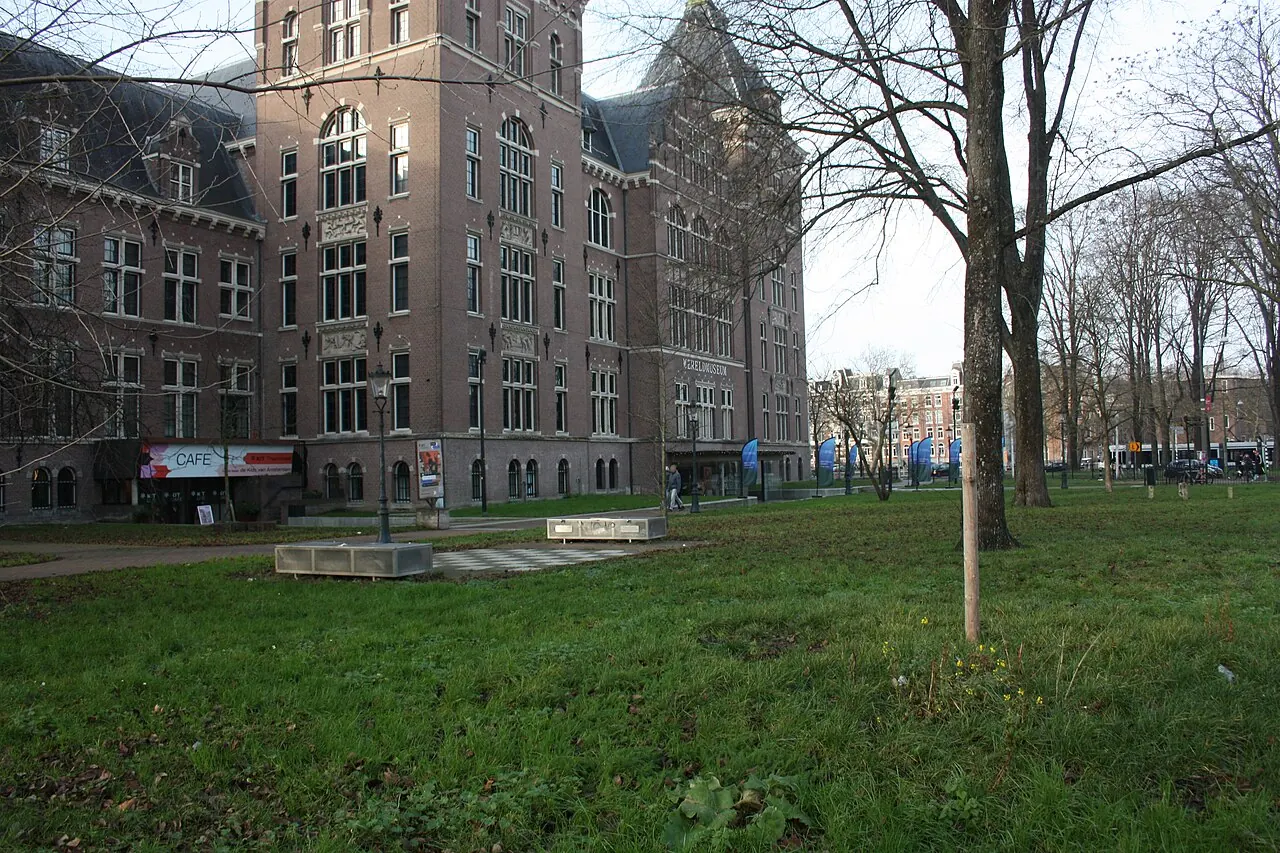

The museum presents disco as more than music. The genre emerged from the underground clubs of New York and grew in the 1970s into a worldwide social revolution centred on freedom, inclusion and self-expression. Disco changed the music industry and nightlife and became a catalyst for the emancipation of African Americans, Latin Americans, women, and queer and trans people. In the clubs they found space for visibility, expression and solidarity.
Mariëlle Pals, Head of Programming at the Wereldmuseum, says of the exhibition: “I’m struck by the relevance of this exhibition for our times. It shows how dance floors became spaces of resistance, identity, and belonging – then and now. The message – you are free to be who you are – may resonate more powerfully today than ever before.”
That link with society returns in the art. There is work by Keith Haring and Andy Warhol. Kwame Brathwaite’s Black is Beautiful photographs celebrate the pride and beauty of Blackness. Disco was driven in no small part by female artists, above all African American female singers who placed independence, sexuality and self-awareness at the heart of their music. The activist posters of Faith Ringgold, made in protest against sexism, connect disco culture with political struggle. An early rainbow flag and documentary footage show the ties with the LGBTQ+ movement. The Stonewall Riots, which broke out after a police raid on a queer bar in Greenwich Village, are regarded as the beginning of the modern struggle for LGBTQ+ rights.
The exhibition places disco in 1970s New York, a city marked by poverty, social tension and violence. It was precisely there that a club culture flourished that offered an escape. From intimate gatherings in private lofts to legendary venues such as Paradise Garage: they were places where people could be who they wanted to be. Membership cards, invitations and DJ equipment give a glimpse of club life. The photographers Michael Abramson and Meryl Meisler documented nightlife in neighbourhoods such as Chicago’s South Side and New York’s Harlem and Bushwick.
Fashion changed too. Clothes became more daring, lighter and designed for movement. On show are glittering dresses, platform shoes and striking accessories, among them the metallic blue catsuit that singer Jerney Kaagman wore in the video for the hit Weekend (1979) and again, years later, in a broadcast of Idols in 2008. Costumes, photographs and footage of groups such as The Cockettes show how gender expression was radically reimagined.
There is also the backlash. In the late 1970s the Disco Sucks movement emerged in the United States. The painting Disco Demolition Night (2022) by Hernan Bas (born 1978) depicts an incident at Comiskey Park stadium in Chicago, where rock fans stormed the field during the interval of a baseball game and burned hundreds of disco records. The museum writes that behind the criticism of the music there was often thinly veiled racism directed at the Black, Latino and queer communities from which the genre came. From the early 1980s the disco scene was also devastated by the AIDS epidemic.
The sound has a section of its own: from the four-on-the-floor beat to the lush arrangements of strings, brass and synthesisers. Original equipment, including a synthesiser and a drum machine, shows how producers and musicians created new sounds. A guitar signed by Nile Rodgers hangs there, and there is a wide selection of vinyl records. The 12-inch single made longer, danceable tracks possible and gave DJs more control over the dance floor. At an interactive installation you make your own remix. In the Soul Train room, one of the highlights, original footage and light effects take you back to the dance floor of the 1970s.
From the late 1970s disco spread across the world. In Europe a variant with a more electronic sound emerged. The Netherlands was no exception: television programmes such as Toppop and local discotheques turned disco into a popular movement. Posters, fashion and archive material from Dutch collections show how the genre reached a wide audience here and laid the foundations for dance music, today one of the Netherlands’ most significant cultural exports.
The Wereldmuseum, the former Tropenmuseum, is open Tuesday to Sunday from 10:00 to 17:00, and also on Mondays during all national school holidays.
Practical
Where: Wereldmuseum Amsterdam, Linnaeusstraat 2, 1092 CK Amsterdam
Until: 22 August 2027
Open: Tuesday to Sunday, 10:00-17:00; also Mondays during all national school holidays
Floor area: 835 square metres
Conceived by the Musée de la Musique - Philharmonie de Paris