
Lotti van der Gaag was never a member of Cobra
The Purmerends Museum shows sculptures, paintings and drawings by an artist who stood close to Cobra but was never officially part of it. On view until 11 April 2027.
Birds, monsters, forest spirits, half human and half animal: the creatures of Lotti van der Gaag have wayward arms and big eyes, and are sometimes tender and sometimes menacing. At the Purmerends Museum they are on show until 11 April 2027 in the exhibition Lotti van der Gaag in Beeld, with sculptures, paintings and works on paper. The exhibition opened on 6 November.
Van der Gaag grew up in The Hague and had a restless, partly lonely childhood, writes Rodi. After the war she came into contact with modern art through Bram Bogart, who encouraged her to experiment with clay. The decisive meeting was with Livinus van de Bundt, founder of the Vrije Academie in The Hague. He gave her no lessons, but asked her to make a hundred and fifty small figures, without examples, rules or corrections. She had only to follow her own imagination.
The result was an explosion of forms: monsters, birds, masks, tree-like figures and hybrid creatures in which human, animal and plant forms flow into one another. In 1954 her work hung at the Salon de Mai in Paris, alongside that of Alberto Giacometti, Jean Arp and Germaine Richier. A year later the art historian A.M. Hammacher included her in his survey Beeldhouwkunst van deze eeuw (Sculpture of this century).
Why does the name Cobra keep coming up, then? In the early 1950s Van der Gaag was closely connected with artists from the Cobra circle, especially in Paris, and her work shows strong similarities with that of the movement. But Cobra was founded in 1948 and fell apart again around 1951. It was a loose association without strict membership or a list of members. Because Van der Gaag was not there from the start, she was generally not counted among the core members.
There is more to it. The movement was dominated by male artists such as Karel Appel, Corneille, Asger Jorn and Christian Dotremont, so female artists received less space and recognition, the museum reports. Rodi also notes that Van der Gaag, as a woman, was kept outside the group and had to wait a long time for recognition. She put it sharply herself: ‘Don't dare to think that women have the same rights as men. Those are still fairy tales.’ That quotation appears in Rodi's report on the exhibition, without a date for the remark. Her friendships with Karel Appel, Corneille and Bram Bogart and her stay in the Paris avant-garde circles made her a natural name in the context of Cobra, but from the start she developed an entirely individual artistry. The reappraisal has gathered pace in recent years: she is seen less and less as an artist from the periphery of Cobra and more and more as an independent pioneer of post-war sculpture, writes Rodi.
What is on show? Sculptures and drawings from the 1950s, and in a separate room colourful paintings and drawings from the 1970s. A series of charcoal drawings comes from her Paris studio in the early 1950s, and she also worked in pastel and watercolour. Many works are on loan from the Cultural Heritage Agency of the Netherlands and the Ambassade Hotel in Amsterdam. A continuous film in the exhibition has Van der Gaag herself talking about her art, her Cobra contacts and the unfriendly attitudes towards women of her time. Her daughter Isis van Bohemen helped with the exhibition.
Her sculptures are at once abstract and figurative, playful and monumental, organic and alienating, writes Rodi. Monumental sculptures by her hand stand in public space in several places in the Netherlands. To accompany the exhibition, the publisher WBOOKS also released the biography Lotti van der Gaag. Het leven van de kleister (The life of the clay-smearer) by Mark van den Tempel.
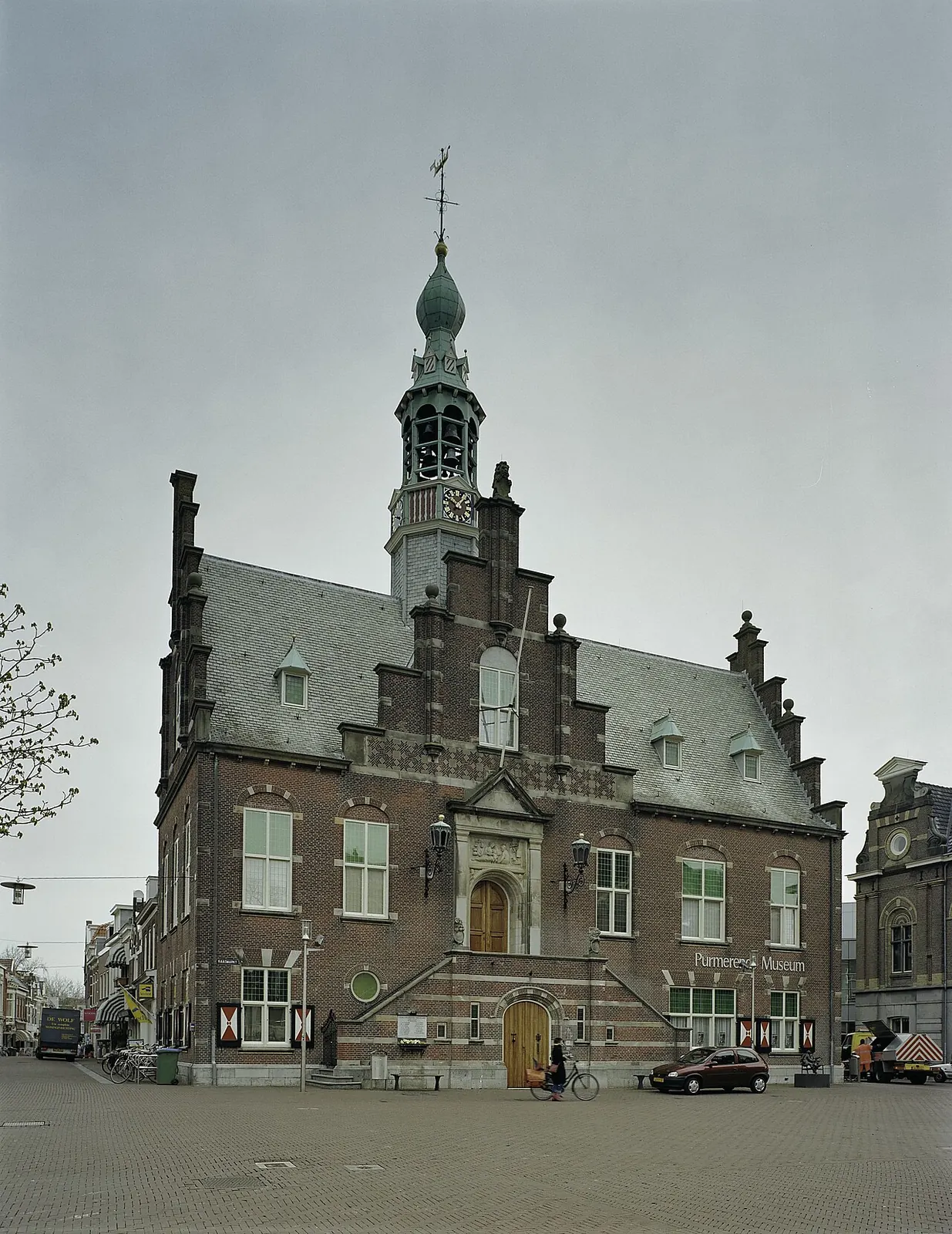
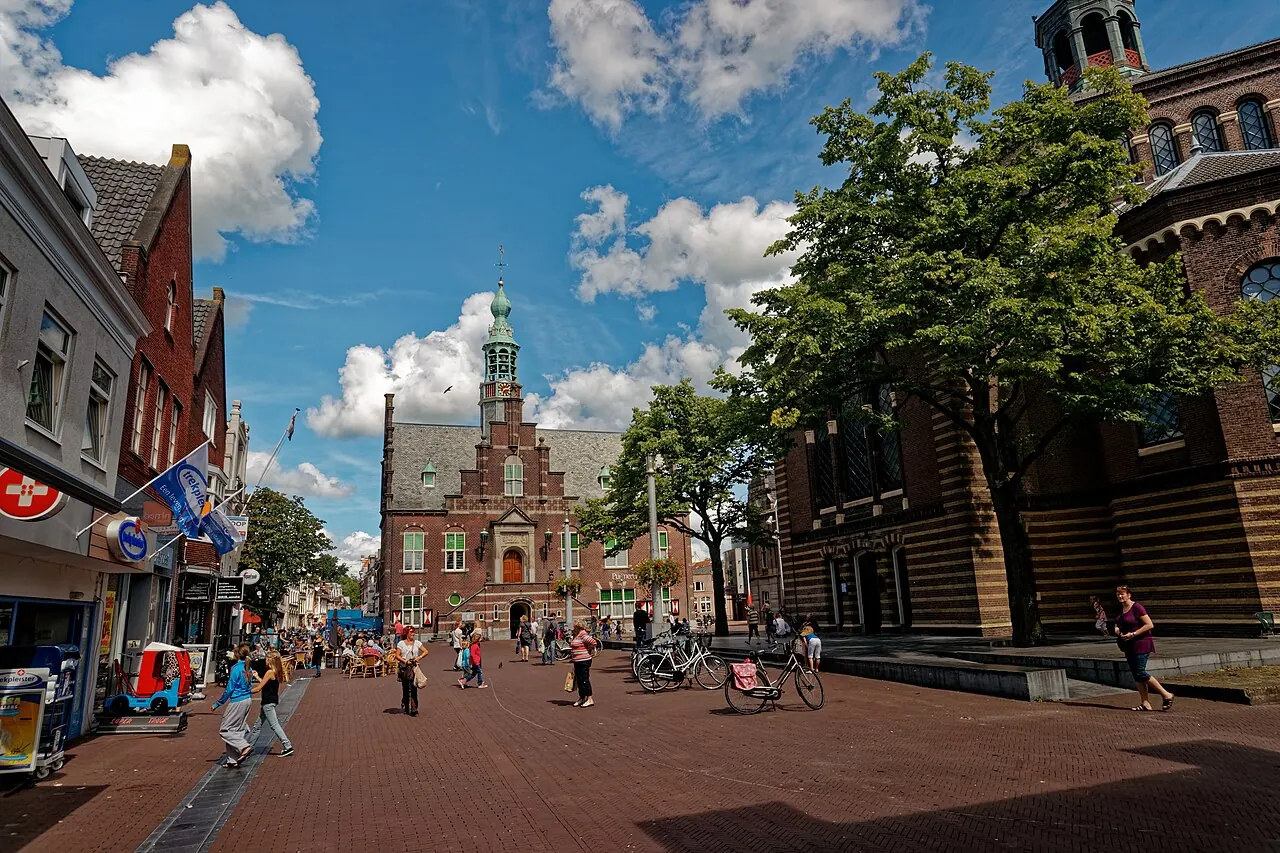
The museum is housed in the former town hall at Kaasmarkt 20 in Purmerend, where early work by the Purmerend-born architects and designers J.J.P. Oud and Mart Stam can also be seen. It is open Tuesday to Friday from 10:00 to 16:00, and on Saturdays, Sundays and public holidays from 12:00 to 16:00. It is closed on Mondays, on 1 January and on 25 December. For 24 and 31 December the museum mentions no different hours. Admission costs 10 euros; young people under 18 and Museumkaart holders get in free. The museum is fully accessible to wheelchair users, with a lift and an accessible toilet. A guided tour costs 20 euros for a group of at most 15 people.
Practical
Museum: Purmerends Museum, Kaasmarkt 20, Purmerend
Exhibition: Lotti van der Gaag in Beeld – sculptures, paintings and works on paper
On view: 6 November 2026 to 11 April 2027
Open: Tuesday to Friday 10:00-16:00; Saturday, Sunday and public holidays 12:00-16:00
Closed: Mondays, 1 January and 25 December; no different hours stated for 24 and 31 December
Admission: 10 euros, young people under 18 and Museumkaart free (rates as of 1 January 2026)
Guided tour: 20 euros per group, maximum 15 people