The Batavia is on dry land, and the museum comes next
The Batavia is on land and the museum received €70,000 from the Cultuurfonds.
On Friday 2 October 2026 a computer-controlled transport vehicle drove the Batavia from a pontoon onto the museum grounds in Lelystad. The ship is 56.6 metres long. It now stands on a concrete foundation, more than eight metres higher than at its old berth, and rests in a steel support frame that weighs more than 87 tonnes itself. After 31 years at the jetty, the Batavia is on dry land. The museum calls it a special moment after an impressive journey.
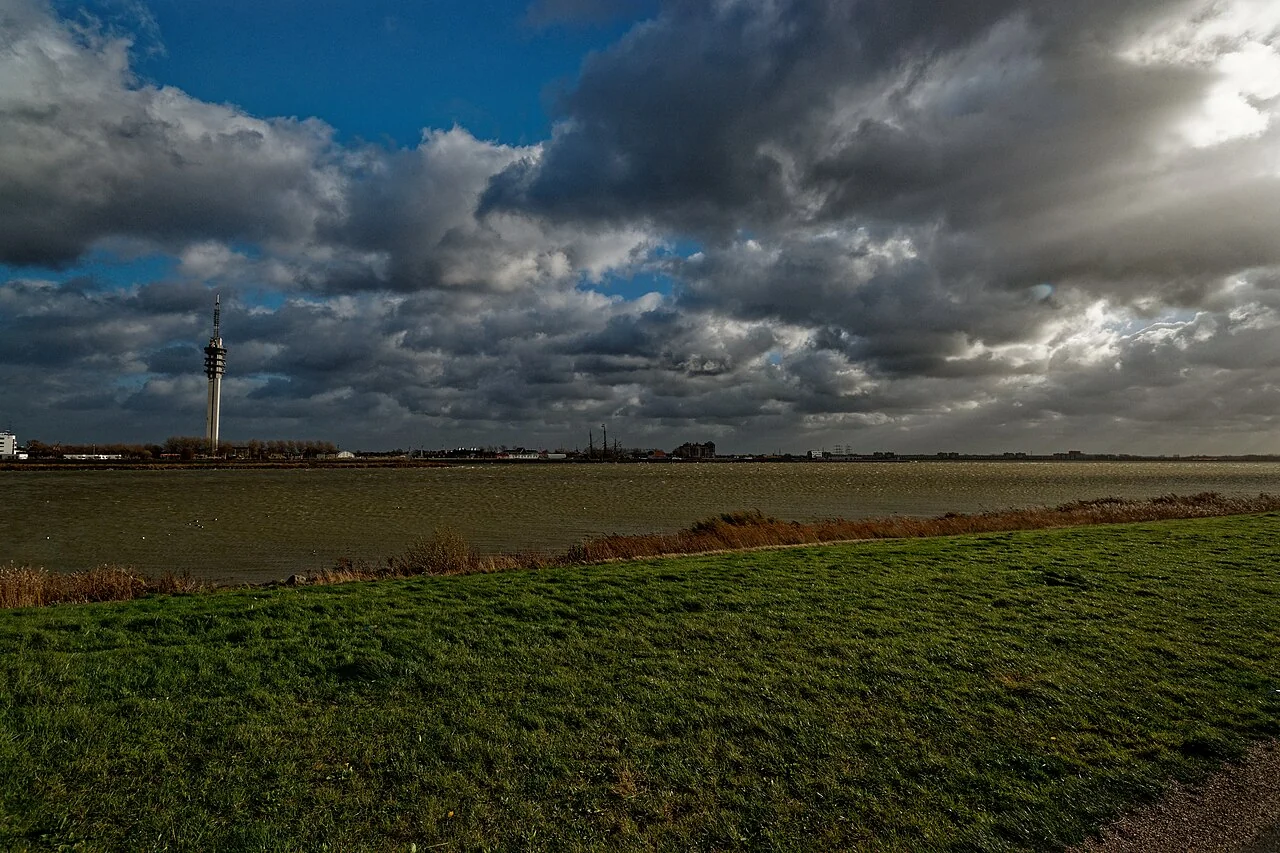
The move began on 19 September. The Batavia left Lelystad afloat for the last time, with its masts still on board, and was towed across the Markermeer and the IJ to Amsterdam. In a dry dock at Damen Shiprepair the wooden hull was carefully lowered onto a specially designed steel ‘chair’. On 1 October the return journey began, this time on a pontoon. A day later came the last stretch, driving over land.
The Batavia is 10.5 metres wide and 30.5 metres high, masts included. Without ballast the ship weighs about 646 tonnes. It is a reconstruction of the VOC ship Batavia of 1628, built for dangerous trading voyages, with room for more than 300 people on board. The original was a technical tour de force and a symbol of the power of the VOC, and carried valuable cargo such as silver, gold and jewels. Its voyage was marked by drama. Shipbuilder Willem Vos led the construction in Lelystad between 1985 and 1995, and more than 600 young people helped build it during their vocational training. About five million people have visited the ship.
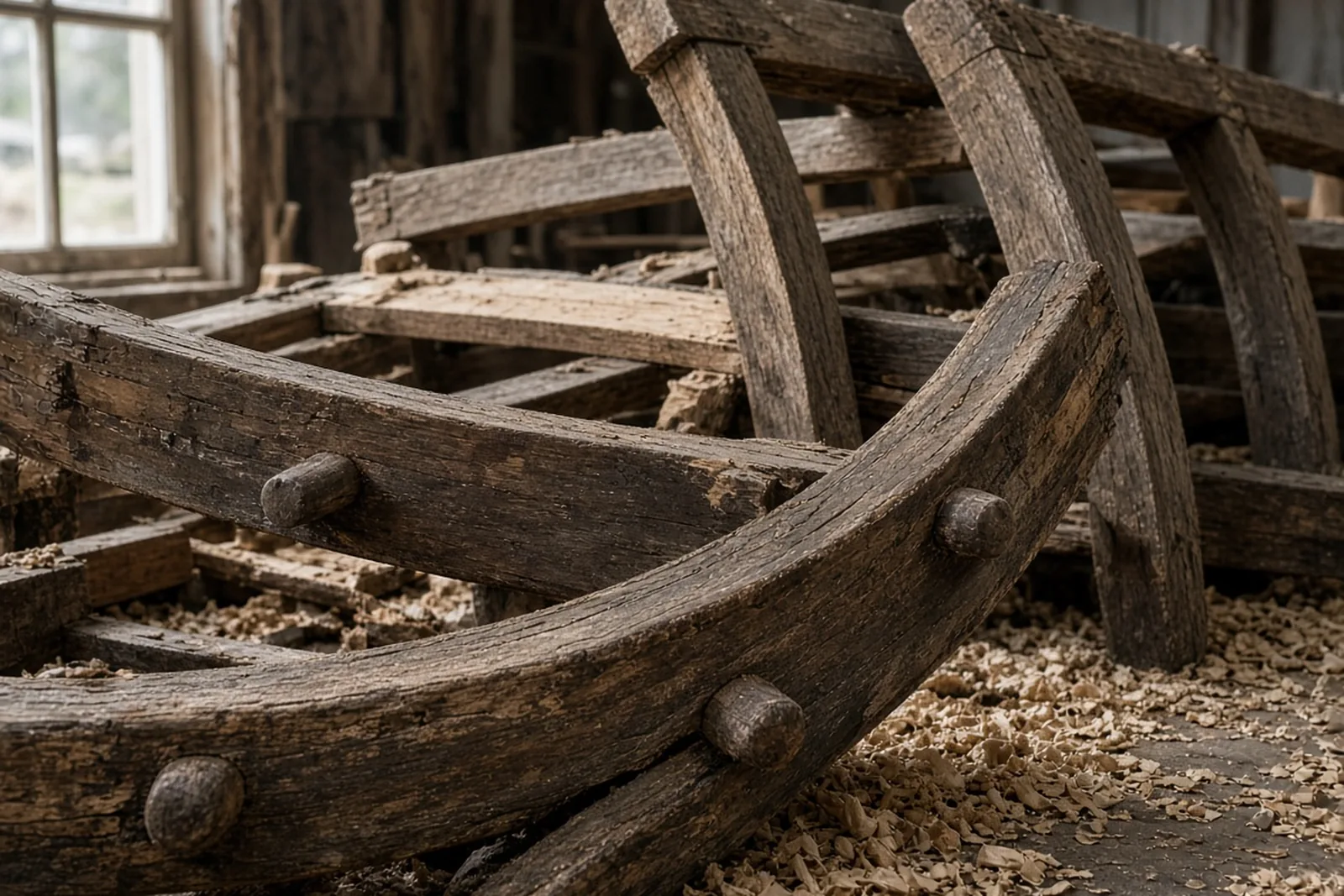
Why did the ship go from water to land? The Batavia is in a fragile condition and needs major maintenance. On land the wood can dry better, the ship is better protected against the weather and maintenance can be more targeted. The move is also the first visible step in the large-scale renewal of the museum: before long the ship, the shipyard and the exhibitions will come together in one place. The museum hopes visitors can go on board again at the start of 2027. There is no precise date yet.
On 11 November 2026 came news about the money. The Cultuurfonds, through the Regato Fonds, a named CultuurFonds, has pledged €70,000 for the new museum displays. It is the first funding specifically intended for that fit-out. The renewed museum is expected to open at the end of 2028 as the first national museum of Flevoland.
Director Ariane Hoog says: ‘It is a fine recognition of our plans and gives an important boost to the renewal of Museum Batavialand. Thanks to the support and commitment of governments, donors and funds, together we can build the future of the museum.’ The renewal is made possible in part by the municipality of Lelystad, the province of Flevoland and central government, via the Cultural Heritage Agency of the Netherlands. The museum is still looking for additional funds and partners.
What the museum will tell has already been outlined. In the renewed museum the collections, the ship Batavia and the shipyard will come into their own together. Visitors will learn about the maritime history of the area, the story behind the reconstruction of the Batavia, the shipwrecks in the collection and the origins of Flevoland.
The renewal consists of new construction, the refitting of existing buildings and the development of the National Ship Archaeology Depot. De Zwarte Hond, in collaboration with Arup, is designing the new museum building. OPERA is designing the interior. A preliminary design at 100 per cent exists for both, and the teams are now looking at where optimisations are possible and necessary. Everything is designed with attention to experience, accessibility and the preservation of heritage.
Meanwhile the shipyard carries on. Refined woodcarving is made in the carving workshop, miniatures take shape in the model-making shop and ship’s nails are forged in the smithy. A 1:10 scale model of the warship De Zeven Provinciën is on show, and a sixteenth-century fishing vessel, a waterschip, is being reconstructed with traditional techniques.
For the Batavia itself the wish list is still long. The museum is seeking money for maintenance and restoration of the ship, for a protective roof above it and for the further renewal of the museum. Every euro helps, the museum writes, and friends, companies, funds and private donors can contribute. It has not got that far yet: for now the roof is a wish.
Practical
Where: Museum Batavialand, Oostvaardersdijk 01-13, Lelystad
Batavia: 56.6 metres long, 10.5 metres wide, 30.5 metres high including masts
On land since: 2 October 2026
On board: the museum hopes for early 2027, no precise date yet
Renewed museum: expected to open at the end of 2028