Egyptian sculptures in Leiden turned out to be reworked
Not so much forgeries as recent reworkings: the Rijksmuseum van Oudheden shows it until 14 December 2026.
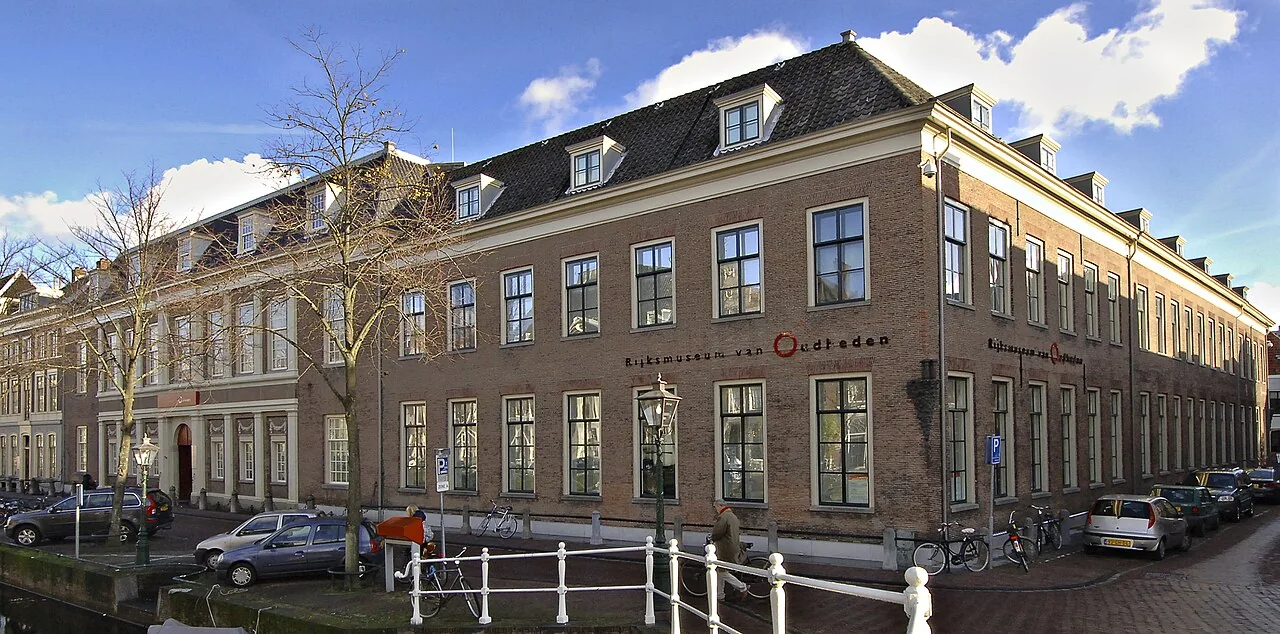
From the 1950s a remarkable group of Egyptian sculptures appeared on the market: limestone statues and reliefs said to come from Sheikh Ibada, a Roman site in central Egypt. They were strikingly well preserved and had extraordinary depictions that seemed to bridge the art of pre-Christian and Coptic Egypt. Several ended up in museum collections around the world.
Twenty years later a researcher asked for the first time whether the sculptures were genuine. It was striking that so many remarkably well preserved pieces came from the same place, while archaeologists had never found such sculpture there. The stone fragments they did find were almost always heavily weathered. The sculptures also had a very deviant style.
At the Rijksmuseum van Oudheden too, some sculptures turned out to have suspicious features. The sculptures were studied in detail. The outcome can be seen in Collectie//Reflectie, a small exhibition with the subtitle Real or fake?, until 14 December 2026: they are not so much forgeries as recent reworkings of authentic objects. As a result the museum can no longer call them authentic.
The exhibition is the third in a series of small displays that shed light on the museum collection and how it came about. The question behind it is whether the line between authentic and modern is always as sharp as it seems. Like other museums, the museum increasingly receives questions from society about the origin and ownership of objects in its collection.
Practical
Where: Rijksmuseum van Oudheden, Leiden
Runs until: 14 December 2026
Third in a series of small exhibitions about the museum collection