
One finger bone gives away a giant sperm whale
At Museum De Bastei in Nijmegen it is the small fossils that turn out to say a surprising amount about the vanished Netherlands. The exhibition runs until 17 May 2027.
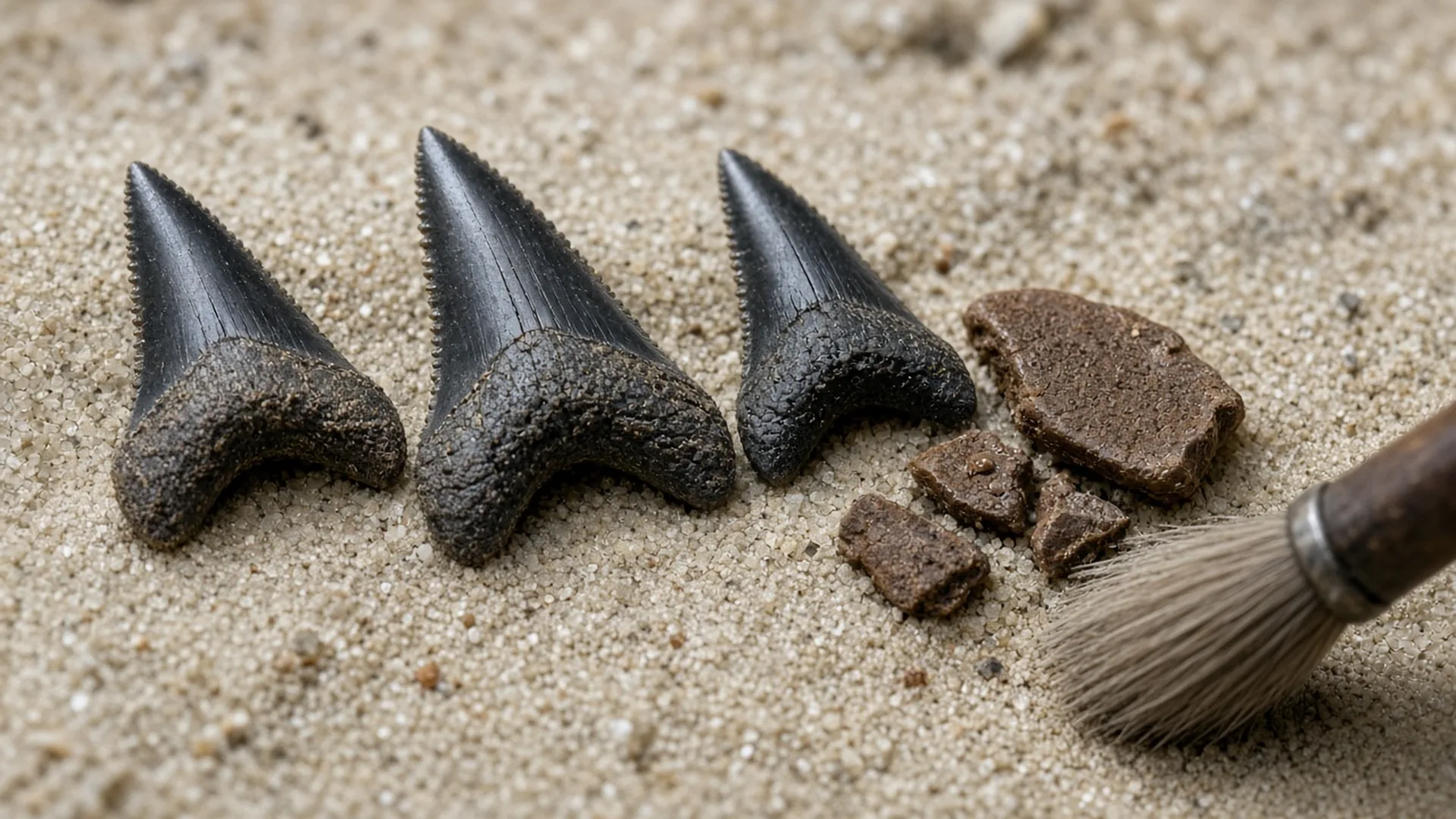
A small bone fragment or a single finger bone can help researchers identify a giant sperm whale. That is one of the ideas behind From the Depths, the exhibition at Museum De Bastei in Nijmegen. Where many people think of enormous skeletons and impressive bones when they hear fossils, it is often the smallest finds that hold a surprising amount of information.
The exhibition covers a period of roughly 66 million to 12,000 years ago, from the time after the dinosaurs died out to the end of the last ice age. On show are giant monster sperm whales, giant sharks and sea angels that swam through the oceans millions of years ago. Illustrations by paleo-artist Nadia de Waal bring those vanished worlds to life. Visitors step into the shoes of a paleontologist.
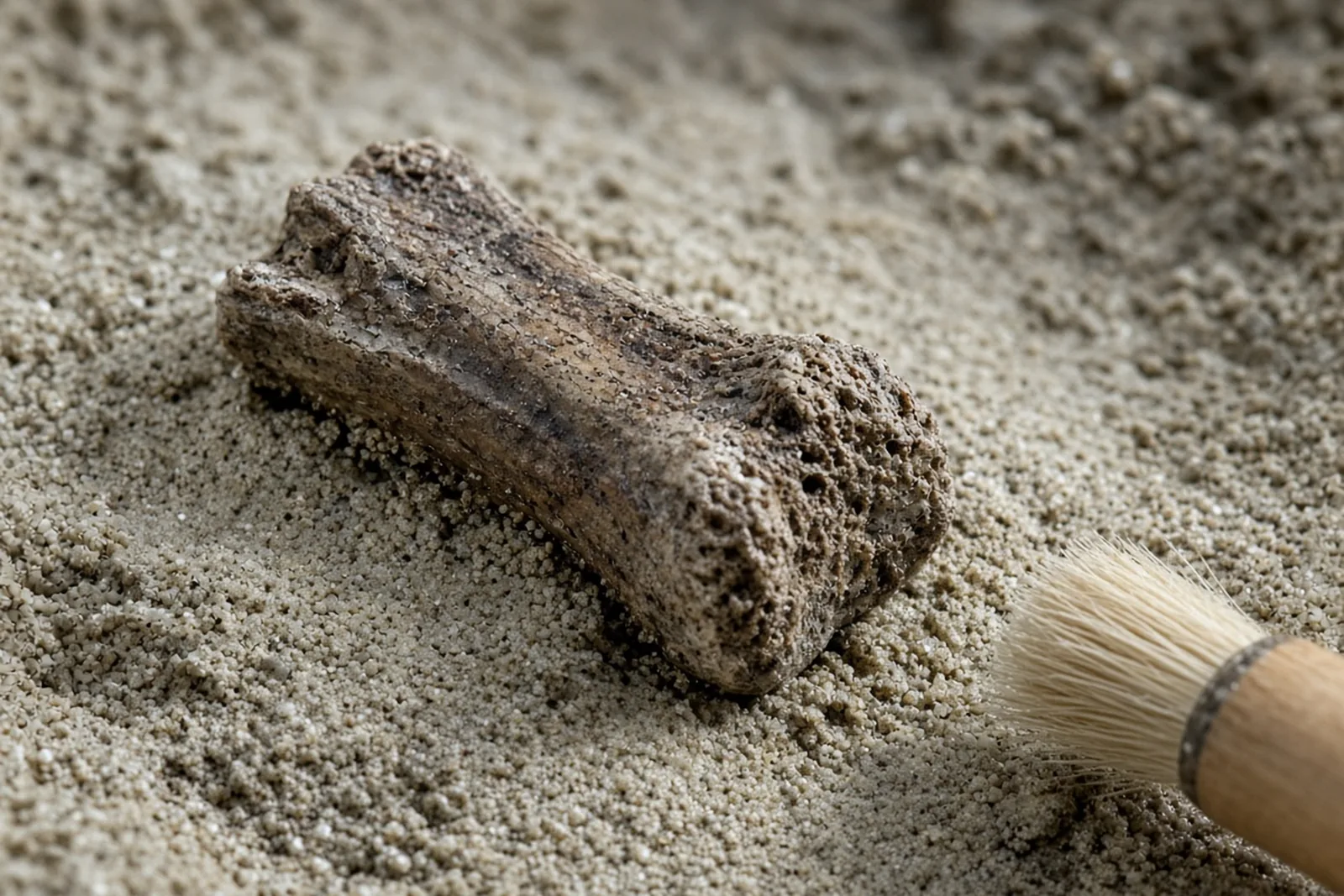
Many of the fossils were found during clay and sand extraction. Digging there sometimes goes tens of metres deep, exposing layers that are millions of years old. Fossilised remains of plants, shells and other animals also give important clues about the climate and living environment of the past.
From the Depths runs from 4 July 2026 to 17 May 2027. Museum De Bastei is open daily from 10.00 to 17.00. On 24 and 31 December the museum closes at 15.00. It is closed on Christmas Day, New Year’s Day, King’s Day and the Friday of the Four Days Marches.
Practical
Where: Museum De Bastei, Nijmegen
Runs: 4 July 2026 to 17 May 2027
Open: daily 10.00-17.00
Period: roughly 66 million to 12,000 years ago
Exceptions: 24 and 31 December until 15.00; closed on Christmas Day, New Year’s Day, King’s Day and the Friday of the Four Days Marches