Exhibitions
"Koffie?" at the Princessehof: a Dutch history in ceramics, with a free opening on Saturday
Cosy and comforting, but also bound up with colonialism and exploitation. From 10 October, Keramiekmuseum Princessehof in Leeuwarden tells the story of coffee through pots, jugs and services.
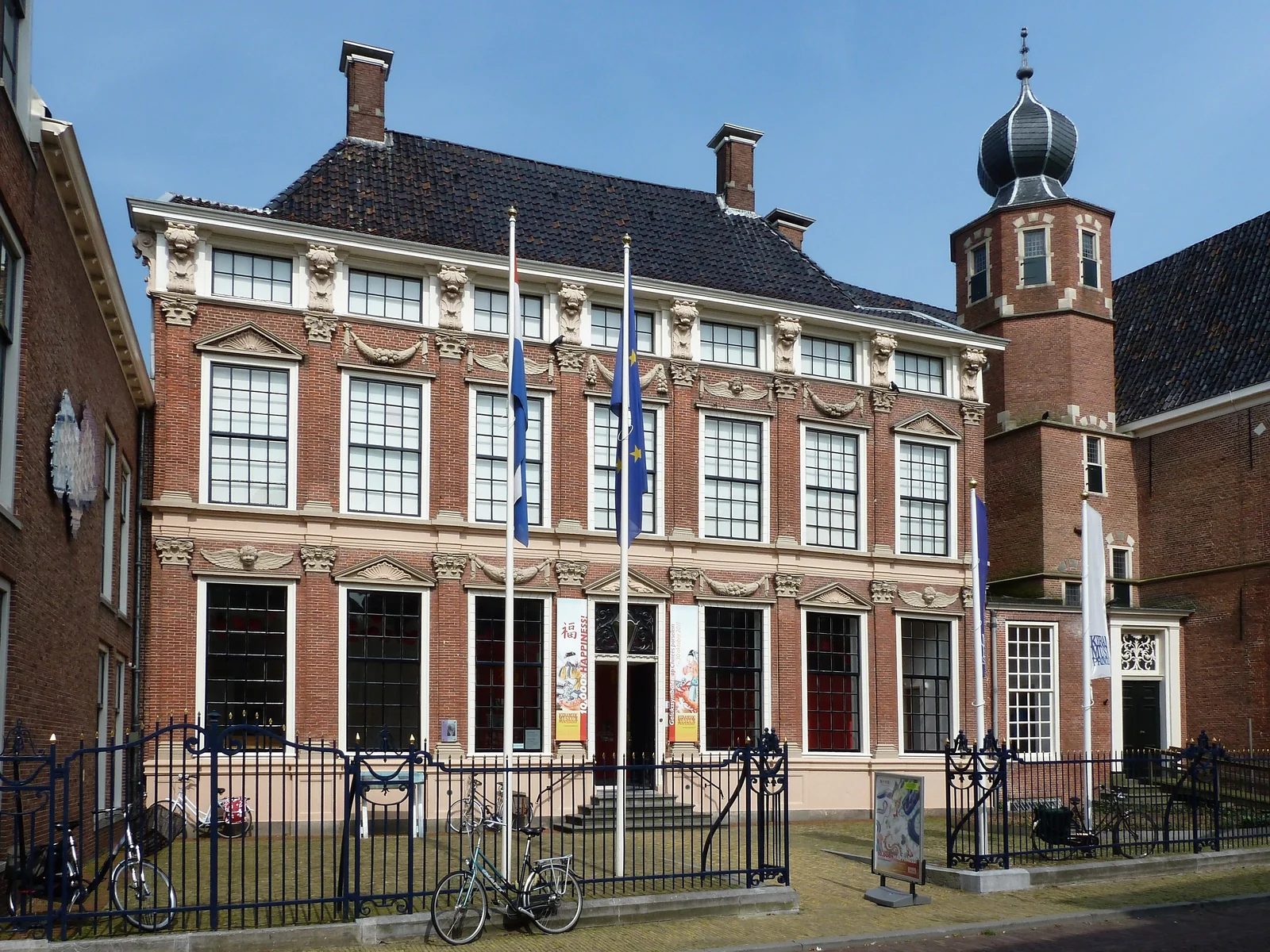
The Netherlands still ranks high on the lists of countries where the most coffee is drunk, writes the national Keramiekmuseum Princessehof in Leeuwarden. From Saturday 10 October, the museum reflects on the role of the Netherlands in the history of that popular drink, with the exhibition "Koffie? Een Nederlandse geschiedenis in keramiek" (Coffee? A Dutch history in ceramics). On the opening day the museum is open free of charge, with coffee tastings, mug glazing and speed tours, among other things.
From Max Havelaar to a royal service
Dozens of coffee pots, tap jugs, mugs and services take you on a journey along worldwide trade and exchange. According to the museum, coffee stands for cosiness, comfort and togetherness, but its history is at the same time inextricably linked to colonialism and exploitation. Ceramics are the silent witness.
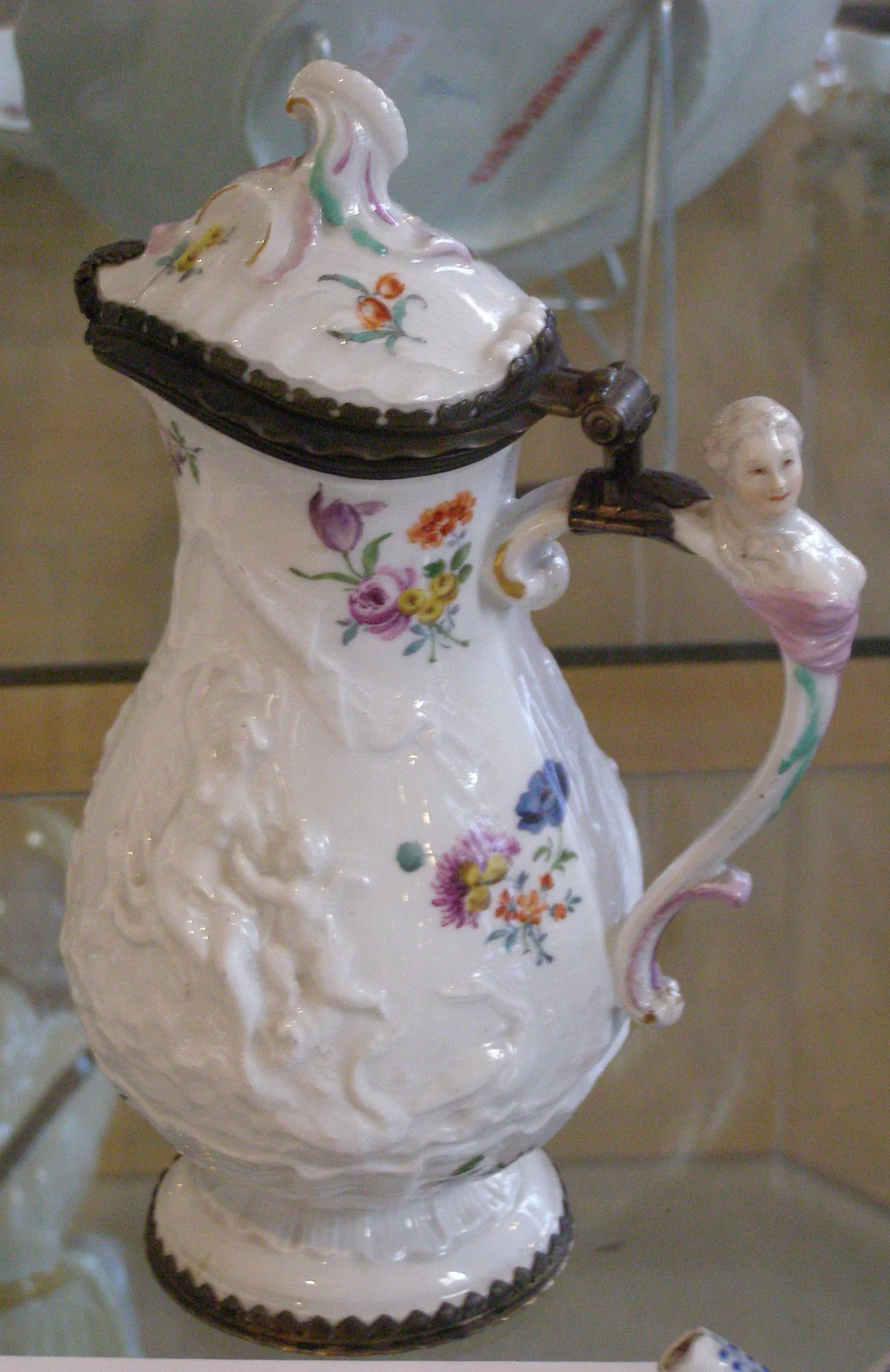
From the china cabinet come, among other things, an eighteenth-century Japanese tap jug, Dutch Design and a flamboyant rococo coffee pot in Delftware. Special loans include a still uncensored printing of Multatuli's "Max Havelaar", royal pieces such as the travelling-coach service of King Willem I, and personal objects, from an Ethiopian jebena to a travel coffee pot bought with saved-up money.
The colonial past
To give space to the often overlooked side of colonial coffee history, the Princessehof is working with the Nationaal Slavernijmuseum (National Slavery Museum). On display are costly services belonging to plantation owners and finds from ships, including coffee beans from the WIC ship 't Hart. The exhibition also shows how the harsh life on the plantations was long glossed over by idealised images of tropical nature and cheerful "workers" on coffee services and packaging.
The exhibition is on view until 29 August 2027. The book "Koffie? Een Nederlandse geschiedenis" by Denise Campbell and Laura Smeets, published by WBooks, accompanies the exhibition.
Sources and image credits ↗