Exhibitions
Plastic Sea, Perfect Storm: the world behind Spain's greenhouses at the Kunsthal
Photographer Rob Hornstra and writer Arnold van Bruggen show at Kunsthal Rotterdam how migrants work in the greenhouses around Almería, where fruit and vegetables are grown for the European market. On view since 3 October.
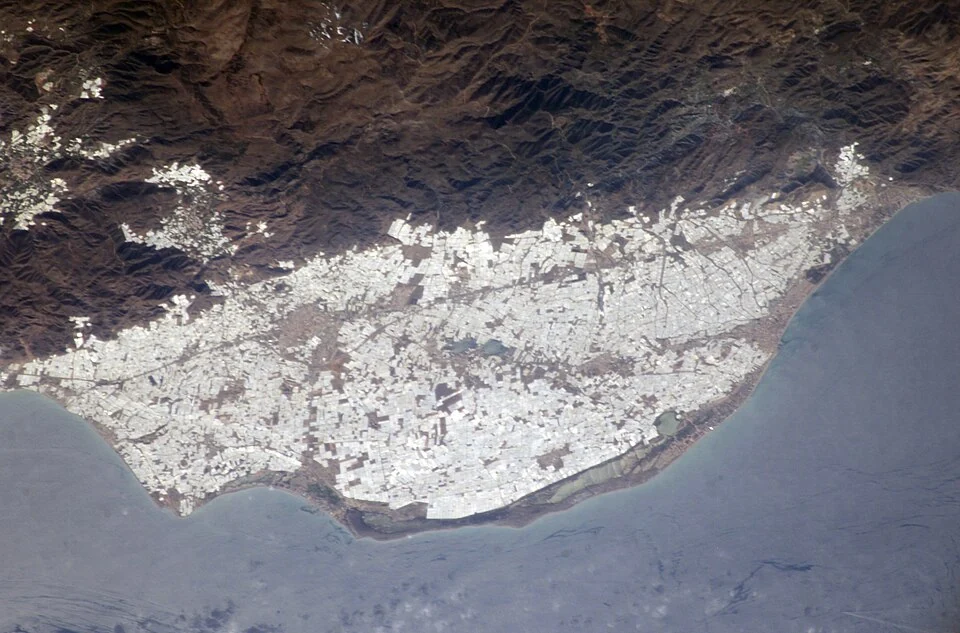
Since Saturday 3 October, "Plastic Sea, Perfect Storm" has been on view at Kunsthal Rotterdam, in Hal 3. Photographer Rob Hornstra and writer Arnold van Bruggen show what the world looks like behind Europe's largest greenhouse complex, around the southern Spanish town of Almería. According to the Kunsthal, 3.5 billion kilos of fruit and vegetables are grown there every year.
Working in the heat
According to the museum, the exhibition shows how countless undocumented migrants work in appalling conditions producing food for the European market. According to the Kunsthal, some 150,000 people work there every day, six days a week, in poor conditions. Because daytime temperatures regularly rise above fifty degrees, they often work at night. The fruit and vegetables they grow end up in major Dutch supermarkets, according to the Kunsthal.
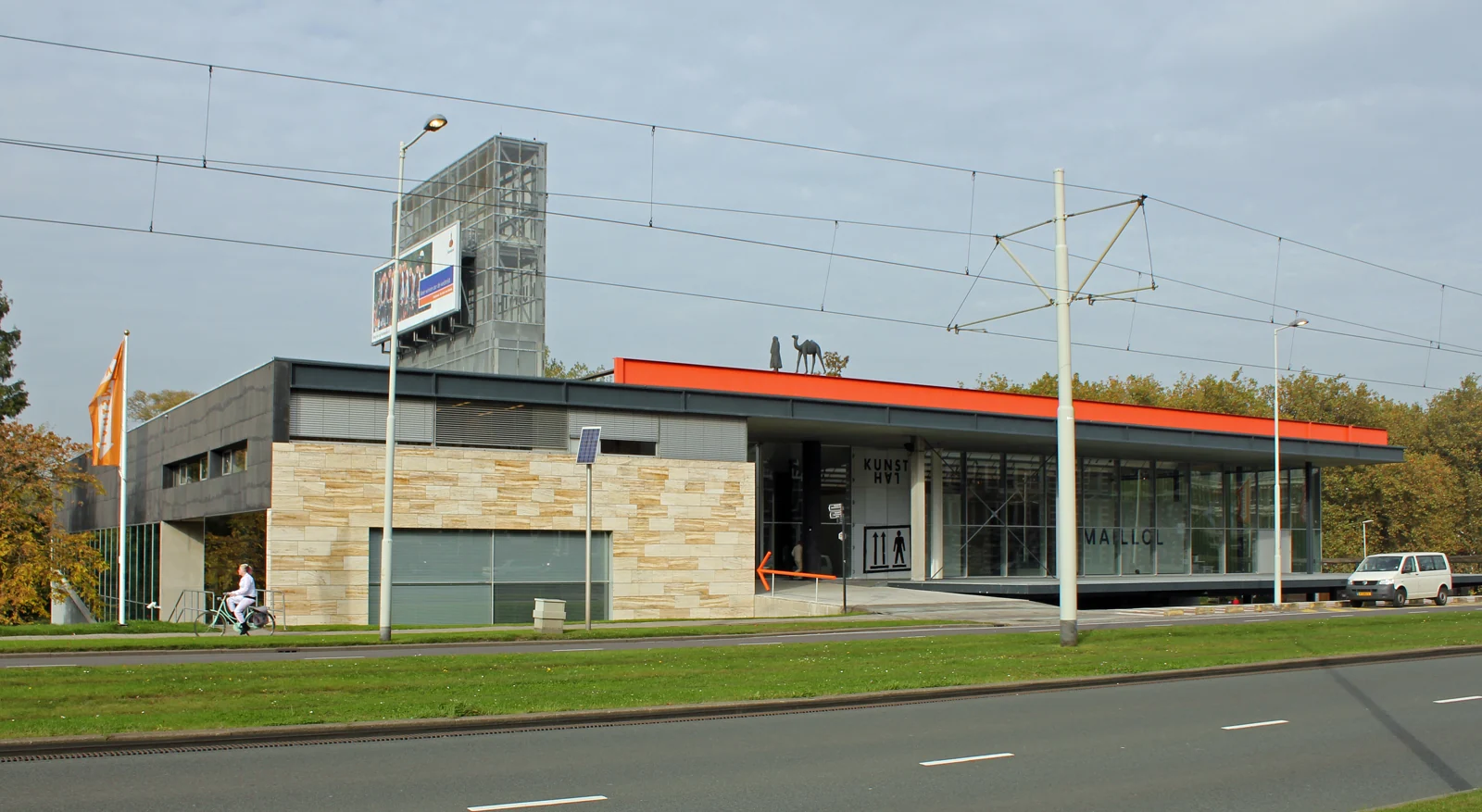

A landscape of plastic
The by-product is plastic. According to the Kunsthal, it ends up on illegal dumping sites on a large scale; in southern Spain alone there are, according to the museum, 400 such sites. Hornstra and Van Bruggen portray the migrants in a life dominated by plastic. They live among the greenhouses in self-built shacks made from discarded pallets. Across the plains of plastic greenhouses, the waste drifts around freely and becomes part of the landscape.
The photographs and stories are part of The Europeans, the large project in which Hornstra and Van Bruggen portray contemporary Europe.
Practical information
The exhibition runs until 7 March 2027. The Kunsthal is open Tuesday to Sunday, from 10.00 to 17.00. Booking an online ticket with a start time is required, including with a Museumkaart or Rotterdampas.