Exhibitions
Final week: the housing crisis at Museum Het Schip
Geen eigen huis: Wonen in crisis is on show until Sunday 11 October inclusive. The exhibition occupies a building that is itself part of the history of social housing.
A timeline, protest posters and work by Carlijn Kingma bring together different aspects of housing. Museum Het Schip opened Geen eigen huis: Wonen in crisis on 14 August 2026. The exhibition continues until Sunday 11 October inclusive.
The timeline covers the growth of cities and the role of housing associations, among other subjects. The museum also shows how poor housing and conflicts over squatting fit into this history. The circumstances of people without a home, resistance and attempts to find somewhere to live are also part of the subject. Artworks and archival images connect that history with questions about today's housing crisis.
A picture of the housing system
One of the works is Carlijn Kingma's De Machinerie van de Volkshuisvesting. The museum uses it to show how the housing system fits together. The exhibition examines both causes and possible solutions from different periods.
The museum works with various partners on the programme. People who design and manage housing contribute, alongside artists and people who squat in a building or have no home themselves. Architect Mimi Oldenhave Metz also worked with Nul20 and Museum Het Schip on a podcast. The museum gives 17 September as the date its first episode appeared.
A housing block by Michel de Klerk
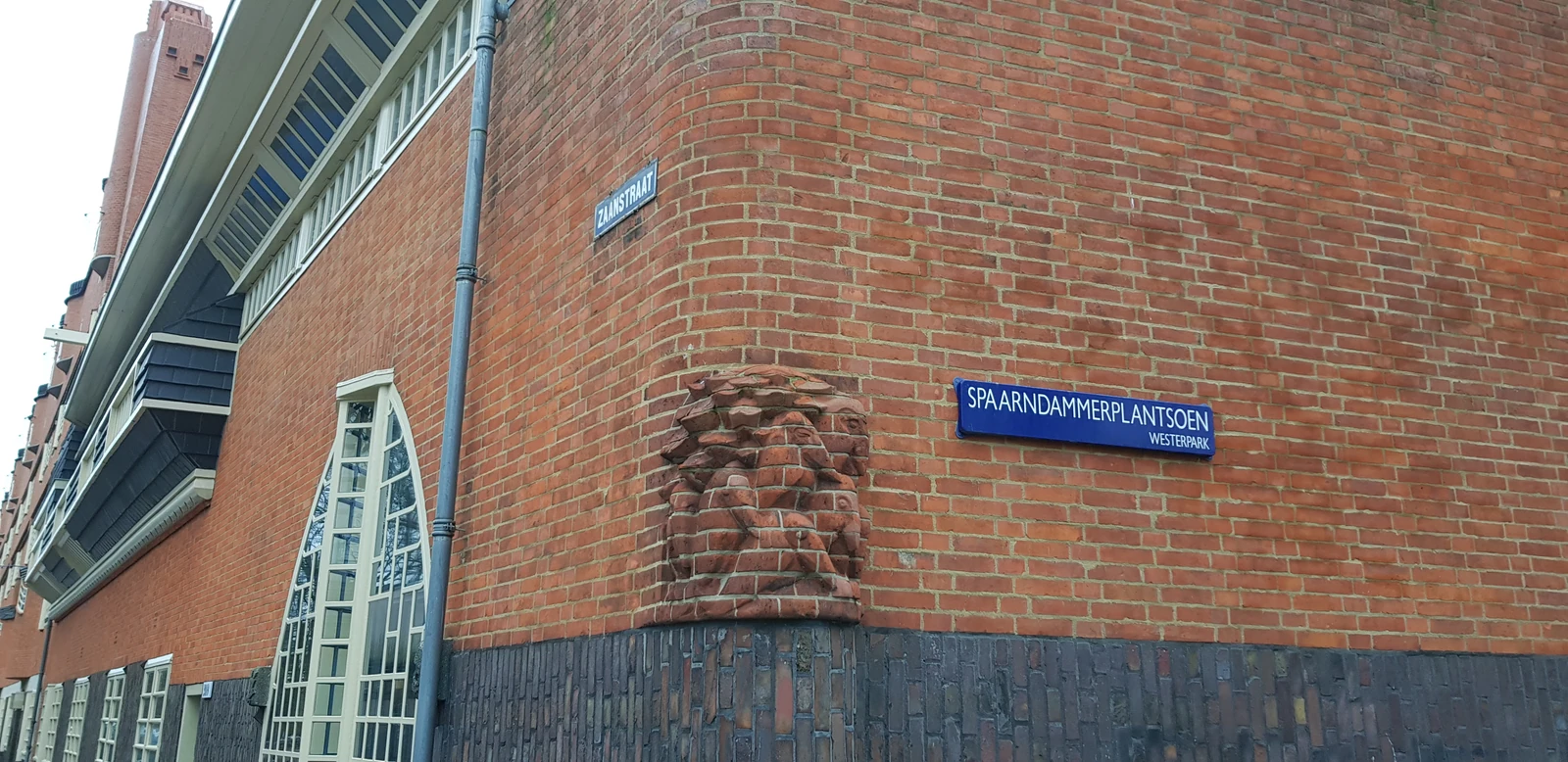
The building offers a concrete continuation of the subject. Architect Michel de Klerk designed the complex for housing association Eigen Haard. According to the museum publication Een kunstwerk van baksteen, it was built between 1919 and 1921, with 102 homes, a post office and a nursery school.
The museum itself occupies the former school building. Verbeelde idealen, the permanent exhibition, discusses the housing associations. It also explores the Amsterdam School. The name refers to a city, but according to the museum the movement can be found throughout the Netherlands.
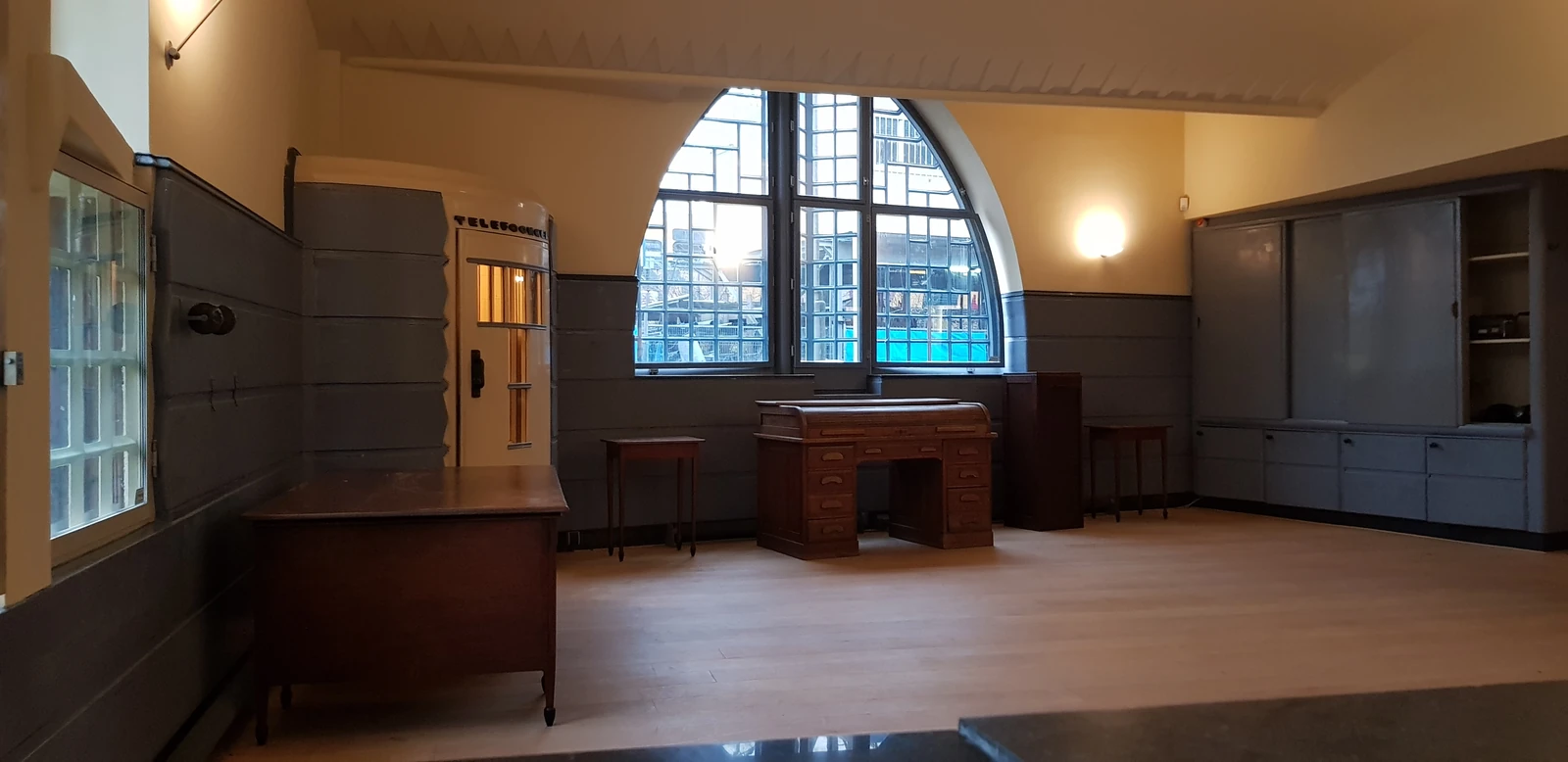
Different parts of the visit thus sit alongside each other: a temporary exhibition about the housing crisis, a permanent display about the ideals behind housing construction, and a residential complex that gave those ideals a built form. Its shapes and materials give the subject a place beyond the timeline in the gallery.
Brick, doors and a home beneath a turret
The restoration between 2015 and 2018 involved extensive research into the original appearance. The front doors regained their original colour: Zaanse groen, the green chosen by De Klerk according to the museum publication. The book also discusses brickwork, stained glass and distinctive parts of the complex.
One of those details is the turret above a home. In that home, now part of the museum, the furnishings show how a working-class family could have lived in the 1920s. On the guided tour, alongside this interior, you see the former post office and the slum dwelling in the courtyard garden. They show how a home was used; the exhibition also examines the wider housing issues.
Practical information
Museum Het Schip is at Oostzaanstraat 45, 1013 WG Amsterdam. Regular opening hours: Tuesday to Sunday, 11am–5pm; closed on Mondays. According to the visitor page, a standard admission ticket costs €17.50 and includes the exhibitions. Admission to those exhibitions is free with a Museumkaart (Dutch museum pass).
A guided tour of the slum dwelling, post office and museum home costs an additional €2.00, including for Museumkaart holders. The first tour starts at 12pm, followed by a departure every hour up to and including 4pm. The 3pm tour is in English. The museum is wheelchair accessible; the museum home is only partly accessible.
Information checked on 4 October 2026. The exhibition's final week ends on 11 October inclusive; check the latest visitor information before setting off.
Sources and image credits ↗