Exhibitions
Digital gardens and drawing robots: Miguel Chevalier in Zwolle
Museum de Fundatie brings early computer art, interactive installations and work with AI together in Digital by Nature. The artist has spent decades exploring how digital images relate to nature.
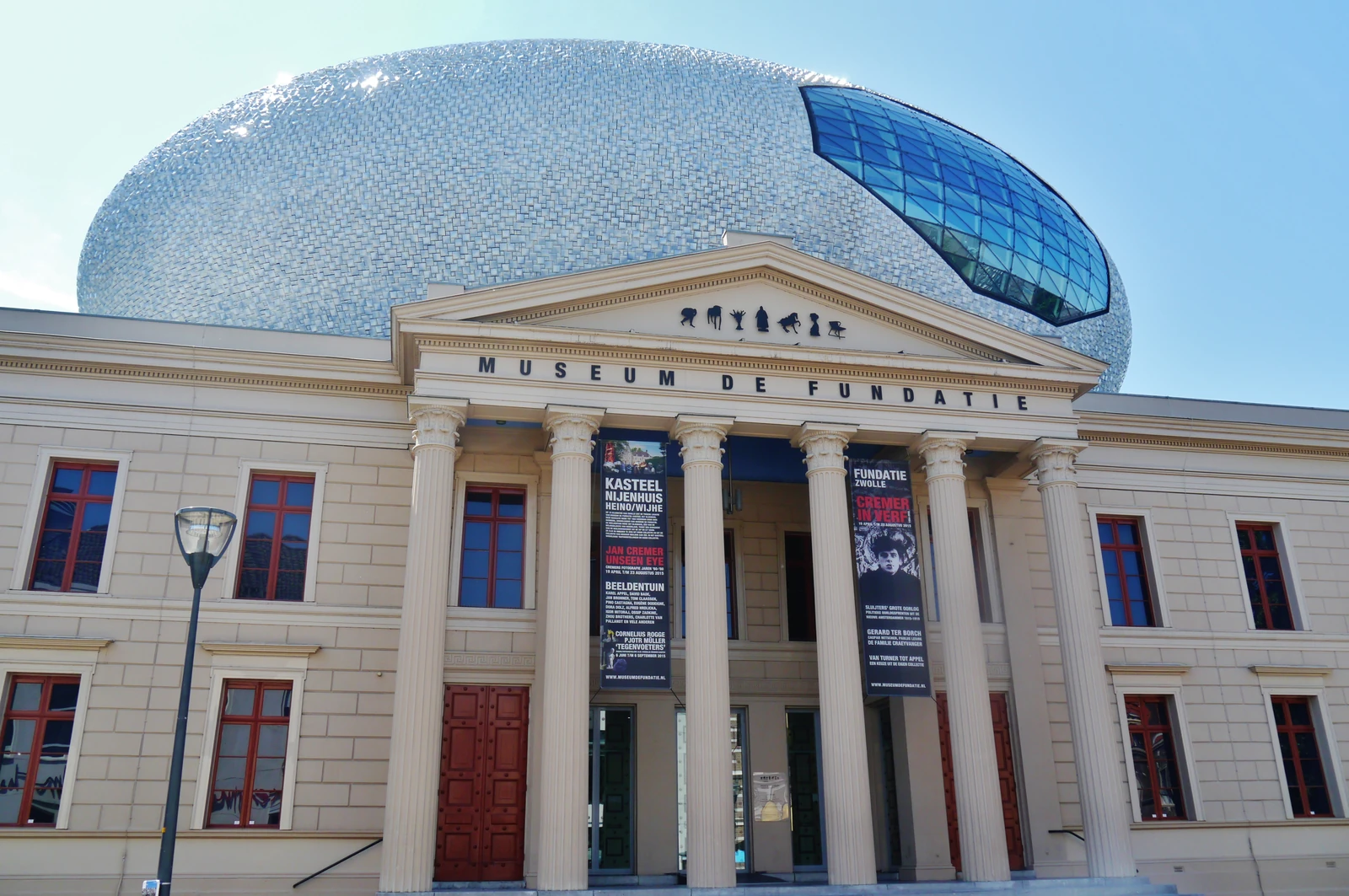
A visitor's movement can affect the image in some installations. In another work, a drawing is made by a robot. Museum de Fundatie describes these different applications in Digital by Nature, scheduled to run in Zwolle until 4 April 2027 inclusive.
According to the museum, the exhibition brings together around 120 works from different periods of Chevalier's career. It was developed with Kunsthalle München and adapted for Zwolle. The survey starts with early experiments using computers. It continues through large works that visitors can participate in and art in which Chevalier uses AI.
From the first computer images to a digital garden
The museum's timeline begins in Mexico City, where Chevalier was born in 1959. He later lived in Madrid and studied fine and applied arts in Paris. In 1982 he made his first video installation, Sweet Dream.
According to the same timeline, in 1982–1983 he worked at night on powerful computers at the French research institute CNRS to create his first entirely digital works. In 1985 he bought his own Amiga 1000. The biography thus shows that his interest in computer images began long before today's AI applications.
Interactive works followed in 1996, including The Big Glass/Liquid Nature. In 2004 he developed a digital herbarium, the basis for a first interactive virtual garden. Plants and the ways they are organised became a subject that could be explored further in digital form.
Image, movement and sound
According to the museum, algorithms mean that the image has no fixed final form. When someone moves in an interactive work, that can help determine what appears on the screen. Some installations have music by composer Jacopo Baboni Schilingi. Image and sound can therefore be part of the same presentation.
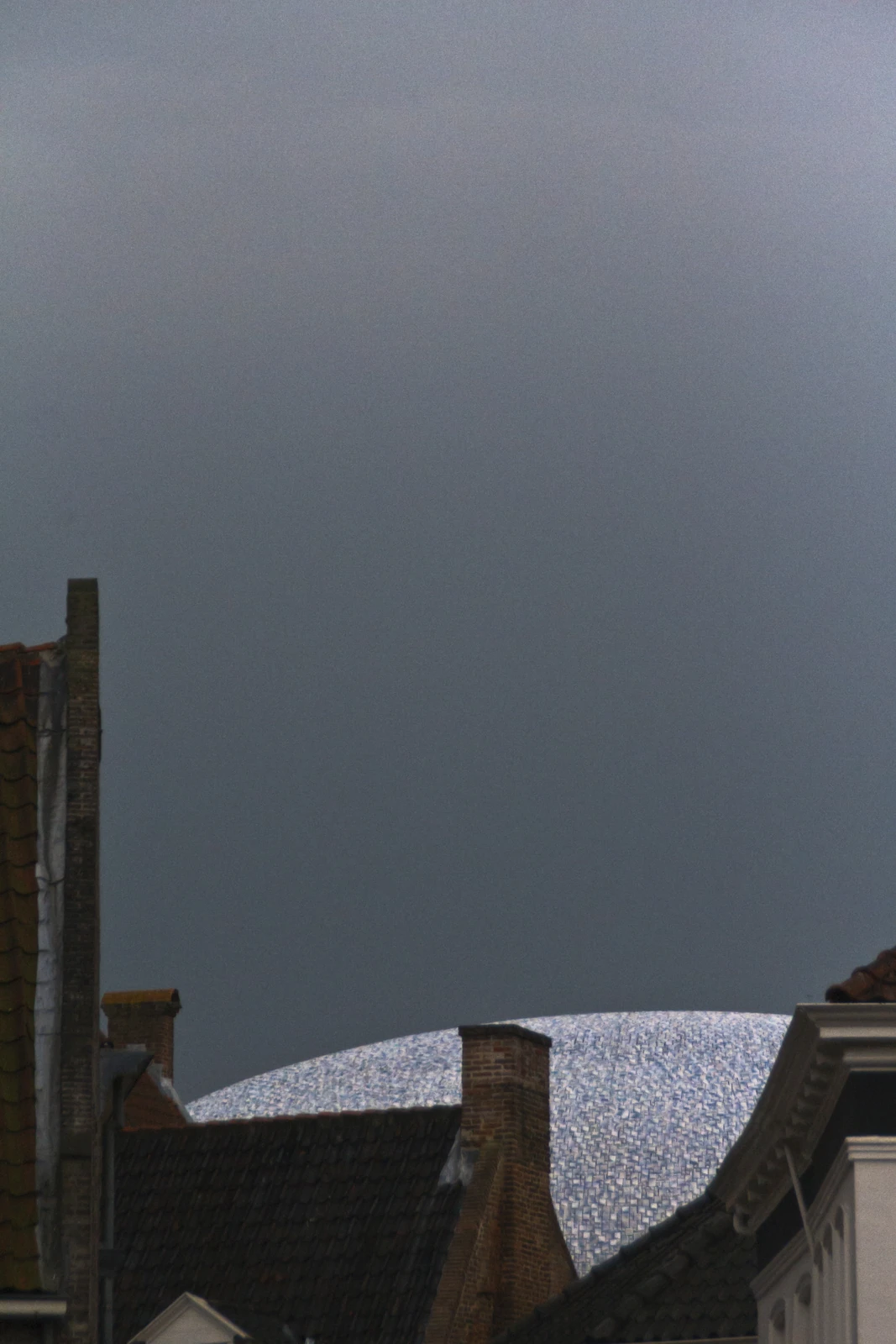
The museum connects Chevalier's work with landscape and nature as themes in its own collection. That places the digital installations alongside an older artistic interest in the surroundings. Visitors encounter different treatments of the subject, from early computer images to an installation in which presence and movement play a role.
According to Museum de Fundatie's biography, Chevalier first used AI in 2023 for Meta-Nature AI. The work was first presented in Seoul. The early video installations, interactive gardens and this later work thus each have their own moment in his career. The dates prevent all digital art being presented as a recent invention.
A programme around the exhibition
The museum website also lists activities connected with Digital by Nature. On 11 October the Groot Zwols Kinderboekenfeest is on the programme at Stadkamer Centrum Zwolle. On 18 October a philosophical discussion in Zwolle is announced about what nature in the Netherlands still means. Activities may take place elsewhere or have separate conditions; consult their own programme information.
Practical information
Museum de Fundatie Zwolle is at Blijmarkt 20, 8011 NE Zwolle. Regular opening hours: Tuesday to Sunday, 11am–5pm; closed on Mondays. According to the visitor page, an adult ticket costs €17.50. Museumkaart (Dutch museum pass) holders and young people aged 18 or under have free admission.
The venue is accessible with a wheelchair or walking frame. Wheelchairs can be borrowed and reserved in advance, and gallery stools are available at reception. The museum bar is on the third floor. Consult the current museum information for changes to opening hours, admission conditions and activities.
Visitor information checked on 4 October 2026. The stated end date for Digital by Nature is 4 April 2027.
Sources and image credits ↗