Naturalis: a museum hall is only part of the collection
T. rex Trix draws the eye in Leiden, but behind the halls a research institute works with millions of objects. What can be seen now?
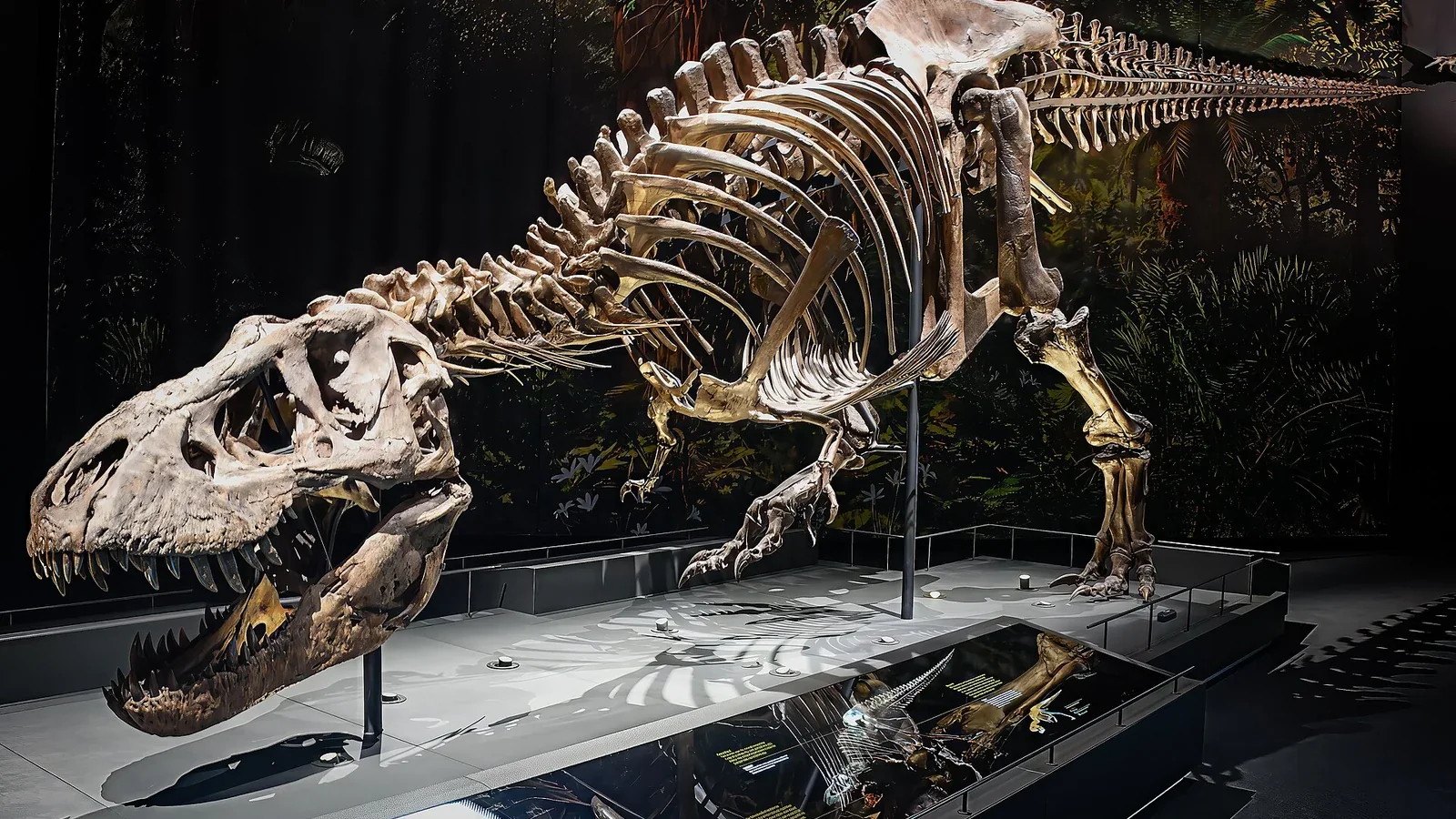
Naturalis in Leiden is both a museum and a research institute. The institution calls itself the national research institute for biodiversity. According to its own homepage, the scientific collection numbers 45,521,976 objects. Part of it can be seen in the museum halls. The public visits ten museum halls.
In the hall Dinotijd stands T. Rex Trix. Naturalis calls her a crown jewel and in the same presentation also shows contemporaries and other primeval reptiles.
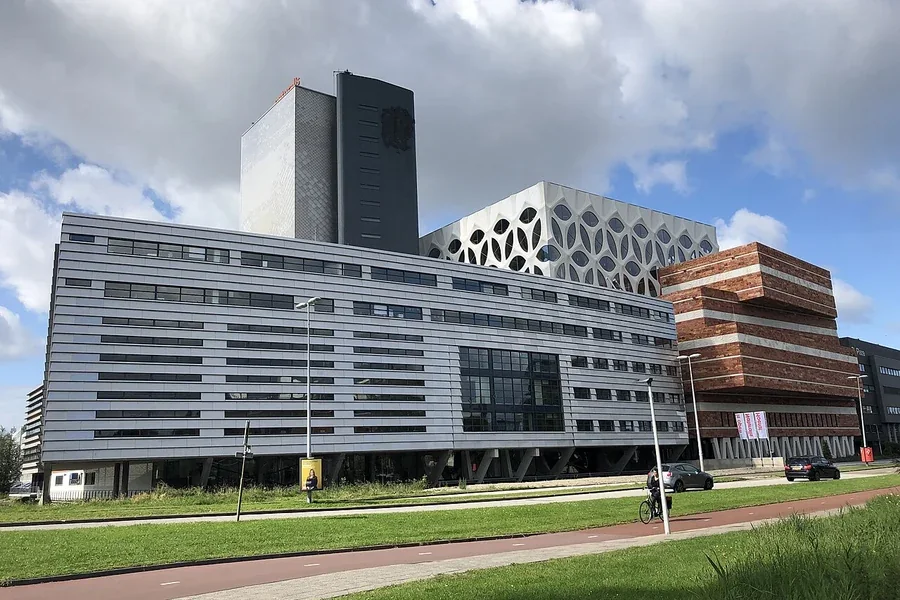

The other halls deal with other periods and natural phenomena. De ijstijd is about a former Dutch landscape, De aarde about the creative and destructive power of the planet. In De verleiding, reproduction in nature takes centre stage.
For Homo erectus, Naturalis now shows replicas. Its own site states that unique fossils of this early ancestor were previously on view in this presentation.
Behind the museum halls, according to the homepage, more than a hundred researchers work in seven research groups. The institution uses the scientific collection to study and understand biodiversity worldwide.
The agenda lists extra activities about nature and science every day. According to that agenda, a cinema about earthquakes in Japan is open at weekends and during school holidays.
Naturalis is open daily from 10:00 to 17:00. It has entrances at Darwinweg 2 and Mendelweg 2, within walking distance of Leiden Centraal. A regular ticket from age four costs €18; children up to and including age three and Museumkaart holders pay nothing. Students and CJP holders pay €13.50. The Rexperience requires a separate ticket of €2. Naturalis also advises Museumkaart holders to book online.