Amsterdam beyond the best-known museum routes
A canal house, an attic church and a workers’ palace reveal different sides of the city.
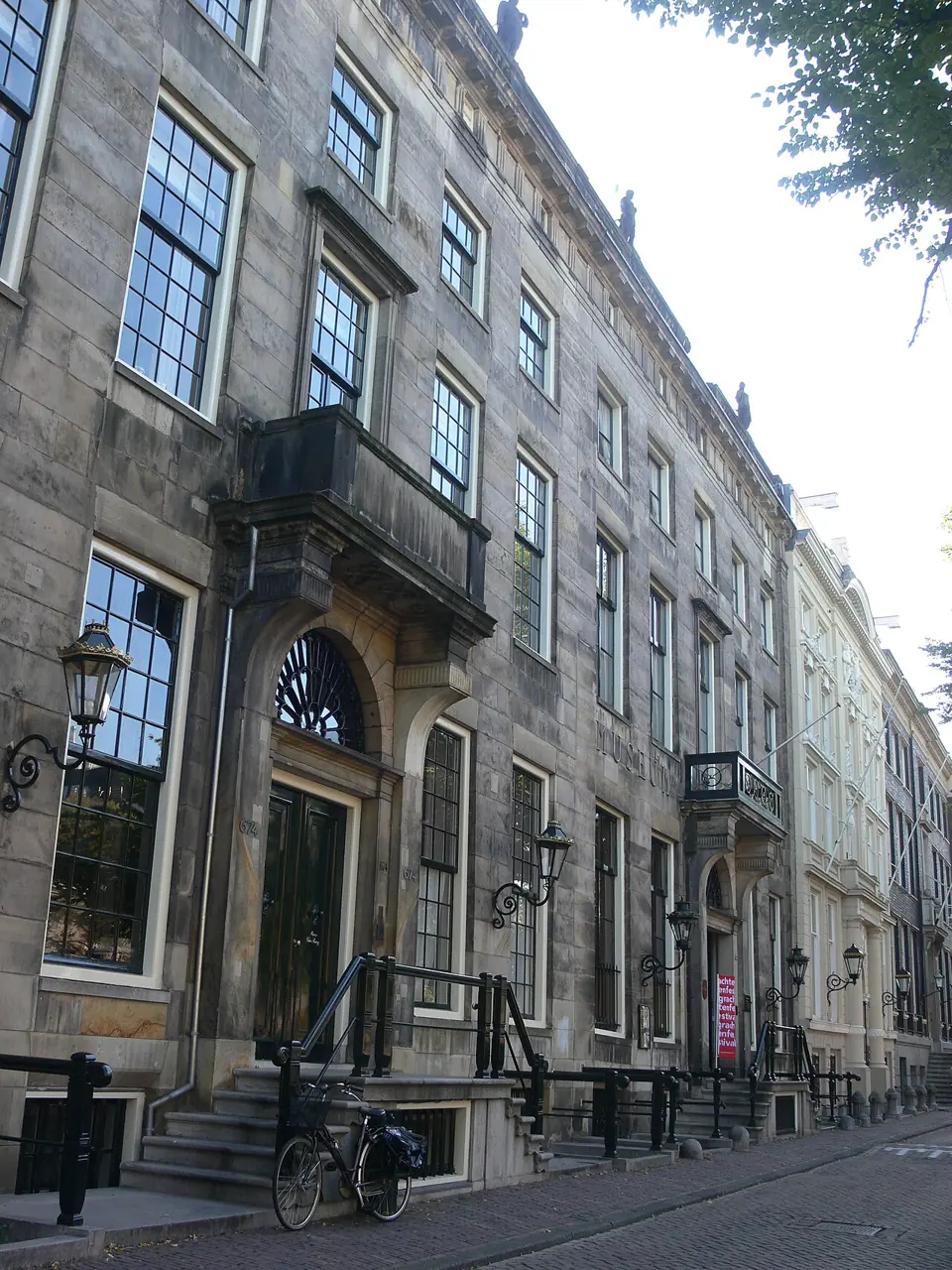
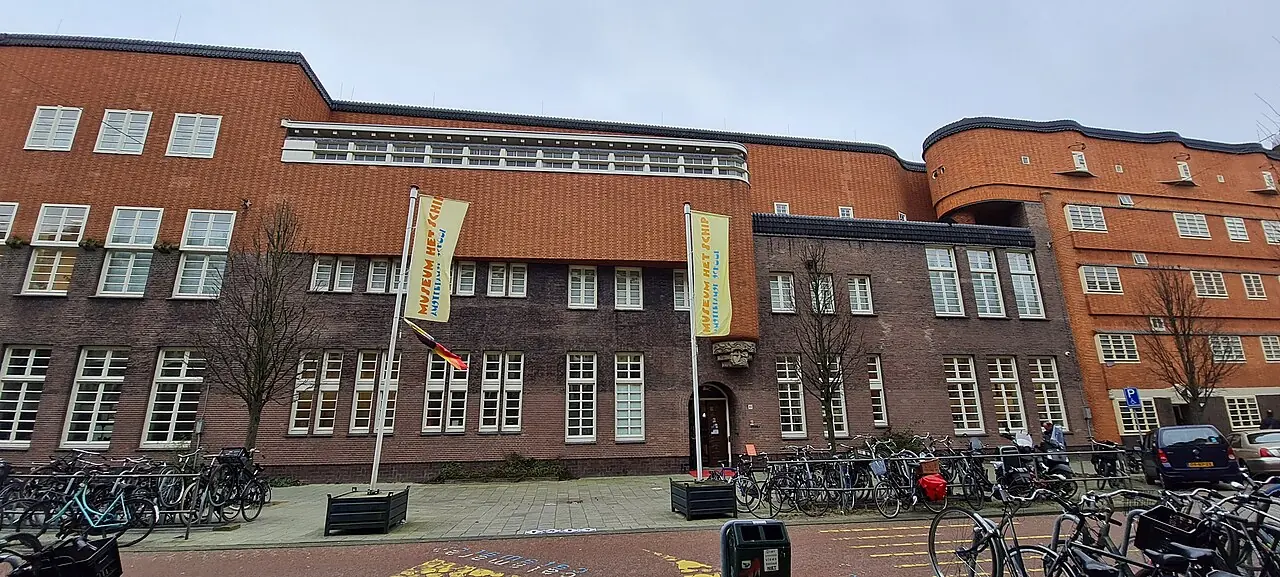
A museum day in Amsterdam need not revolve around the largest collections. Three museums begin with distinctive buildings and tell different stories about the city: Museum Van Loon on Keizersgracht, Our Lord in the Attic in the old centre and Museum Het Schip in the Spaarndammerbuurt. Each visit also offers a close look at Amsterdam architecture.
Museum Van Loon opens up a canal house. Completed in 1672, it became the Van Loon family home in 1884. The museum presents the interior, collection, garden and coach house as a whole. Portraits and everyday objects tell of family life and the residents’ position in society. The museum also addresses the family’s colonial past.
At Our Lord in the Attic, the story climbs through a seventeenth-century house. At the top is a Catholic house church built by merchant Jan Hartman. Catholics could not celebrate Mass in official churches at the time; the city authorities tolerated hidden house churches. The museum connects living and working in the house with the history of belief and conscience in Amsterdam.
Museum Het Schip takes a very different view. It occupies an Amsterdam School housing complex in the west of the city. Its permanent exhibition explores the rise of housing associations and the design of the Amsterdam School. A guided tour includes a reconstructed slum dwelling, the former post office and a museum apartment furnished as a 1920s workers’ home. Ideas about better housing become visible in spaces linked to that history.
For canal-house interiors, Van Loon is a starting point; for religious history, the attic church; for social housing and design, Het Schip. The museums stand in different parts of the city. Their visitor pages provide current opening times, tours and entry details.