A century of stories in one museum building
Wereldmuseum Amsterdam opened in 1926 as part of the Colonial Institute. Its central hall and the work behind the galleries reveal the building’s history and the care its collections require.
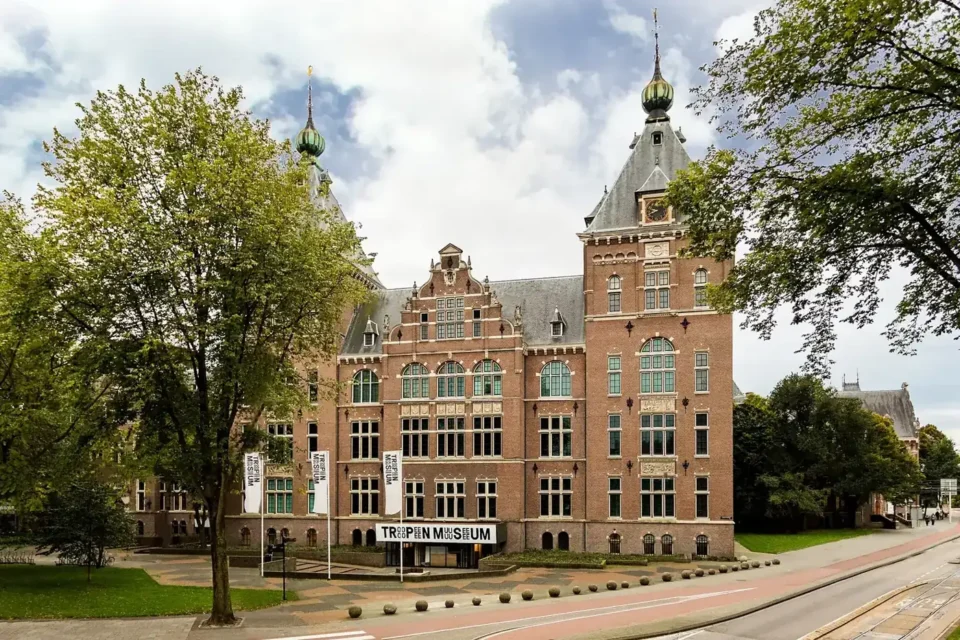
Approaching from Linnaeusstraat, visitors encounter a monumental building that is much more than a sequence of exhibition rooms. Today’s Wereldmuseum Amsterdam opened on 9 October 1926 as part of the Colonial Institute. It was later called the Tropenmuseum and has used its present name since 2023. The centenary offers a reason to look at the building around the objects as carefully as at the objects themselves.
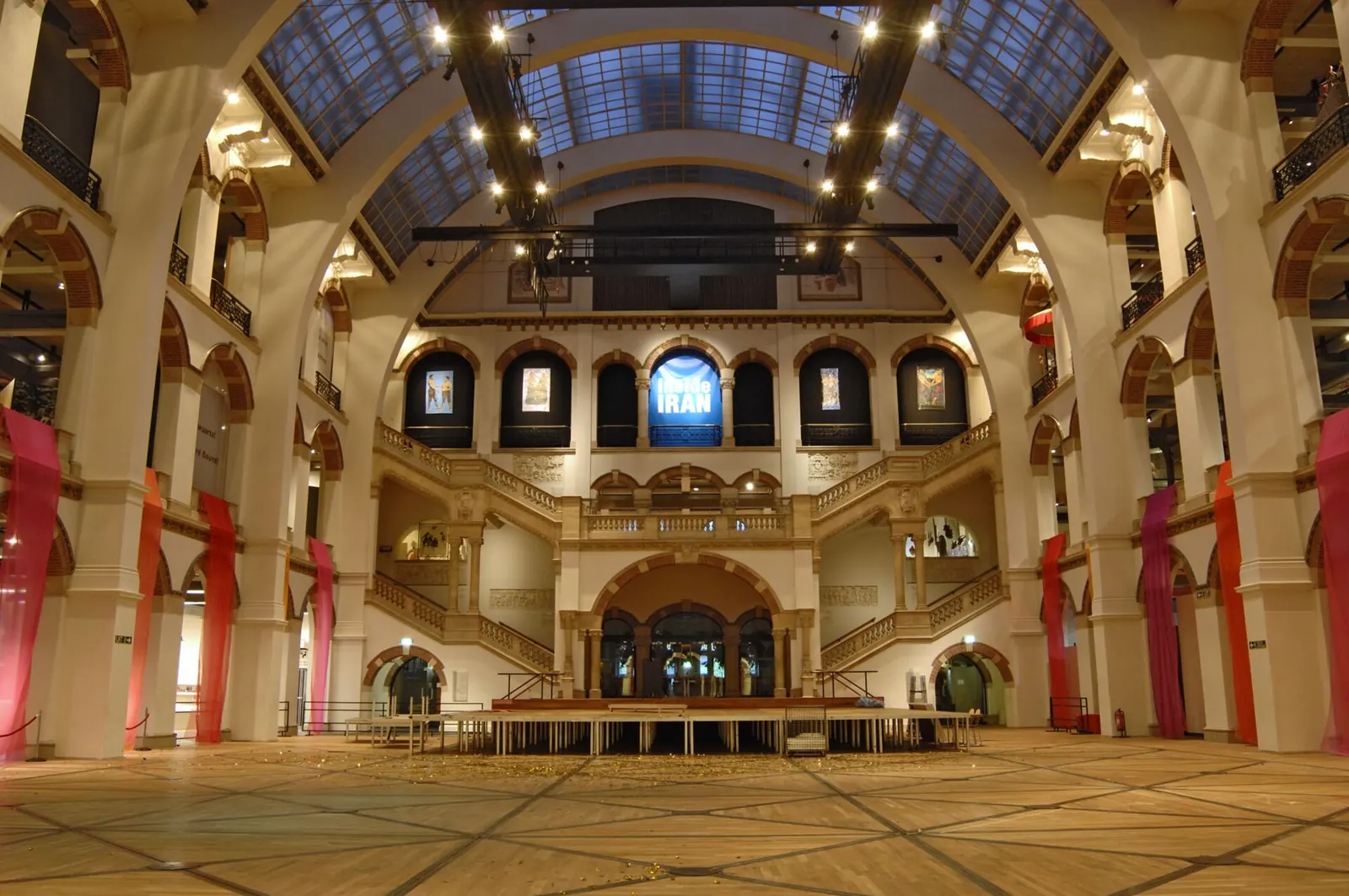
Inside, the central light hall opens views towards several levels. Construction took more than ten years. The museum says a symbolism committee even shaped the decoration: figures and motifs on walls, columns, doorways and door handles referred to the Dutch colonial relationship with Indonesia. These details are not neutral ornament. They show how the founders wanted to present their institution and the colonies.
The collection has a history older than the building. The museum identifies the Colonial Museum in Haarlem and the ethnographic collection of Artis as two important predecessors. Objects entered through different routes. Wereldmuseum itself acknowledges that part of its colonial collection includes looted objects or other involuntary loss of ownership. Looking at an object therefore also means asking who made it, who collected it and whether its provenance is fully known.
Work that most visitors never see continues behind the galleries. In its own account, the museum follows conservator Annemarie Hollants as she treats a ceremonial mask from Papua. She describes how objects are brought from storage, examined and cleaned before an exhibition, and treated when necessary. Fragile sago leaf strips on the mask are supported with Japanese paper and thread. A key principle is that the treatment can later be removed without damaging the object. The article and video offer a view into the workshop; they do not announce public access to it or to the storage areas.
Visitors can explore the building and collection together in the permanent Our Story presentation, which includes a model and accounts of the museum’s colonial origins. The photographs show the facade in 2015 and the central hall in 2011. The museum is at Linnaeusstraat 2. Regular hours are Tuesday to Sunday, 10:00–17:00, with announced Monday exceptions during school holidays and on some public holidays. The museum website has the current calendar and tickets.