Architecture takes part in the visit at Bonnefanten
Aldo Rossi’s cupola is a Maastricht landmark. Inside, his staircase street guides visitors through daylight and galleries, while a permanent presentation explores the architect’s work.
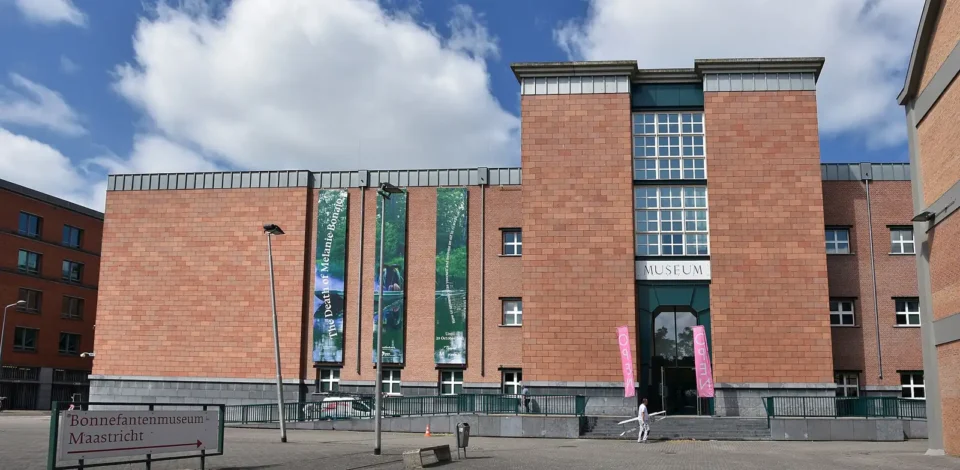
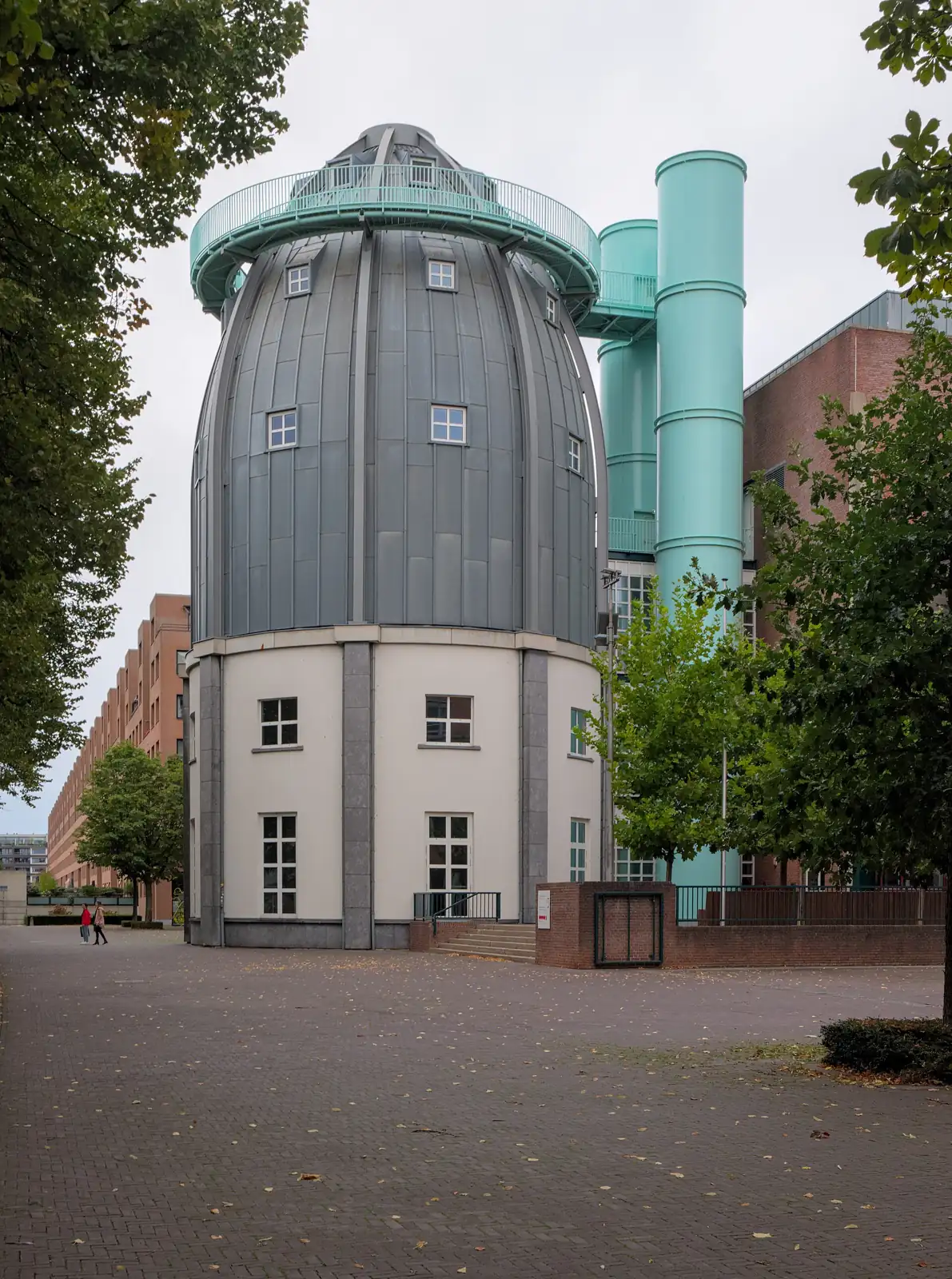
From the Maas, Bonnefanten’s zinc-clad cupola is easy to recognise. Designed by Italian architect Aldo Rossi, the museum building in Céramique opened in March 1995. The site had previously been industrial land. The museum wanted a building that would become part of Maastricht’s identity. A visit can therefore begin outside, by looking at how the cupola meets the river and the city.
Inside, Rossi did not devise an enclosed string of identical rooms. Bonnefanten explains that the wings are grouped around a central stairwell. This Treppenstraße acts like a covered street leading visitors towards the galleries. Skylights and side light give sections of the route different atmospheres. Outer facades are largely closed, while the central wing is more open. Architecture helps determine when attention turns to art and when it returns to the space around it.
Since 19 September 2026, the museum has presented Aldo Rossi: Darling Architecture as a permanent display. Alongside the building, it explores his drawings, models, furniture and designs for everyday objects. Some original museum furniture that had disappeared or changed over thirty years has returned for the presentation. Afterwards, a walk through the stairwell lets visitors compare an idea seen in the display with the scale of the building itself.
The photographs show the building in 2018 and the cupola in 2020. Together they reveal the riverside facade and the shape of the cupola.
A visit can follow a readable route: from the riverside facade through the staircase street to daylight in the galleries, then to the presentation about Rossi. For current access and exhibitions, consult the museum’s official site. The cupola is a familiar silhouette, but the building is also experienced through the shifts between enclosed stone, open views and light.