Exhibitions
Broodnodig in Schiedam: art from the land to the table
Preparing grain, working in the kitchen and eating together find a place in Stedelijk Museum Schiedam from 10 October. Broodnodig connects paintings, drawings and films with the people behind a meal.
Samah Shihadi's family processes grain in her drawings. For filmmaker Jos de Putter, his parents' farm is the subject. These are two examples from Broodnodig. Van land, naar keuken en tafel, the exhibition opening at Stedelijk Museum Schiedam on Saturday 10 October.
Curator Rawad Baaklini and researcher Lieneke Hulshof organise the subject into three chapters. Their sequence follows a meal: where food comes from, the work involved in preparing it and what eating together means. Photography appears alongside film in the galleries, while other contributions are three-dimensional or painted. The exhibition includes more than seventy works.
The work surrounding a meal
The exhibition also names Martha Rosler's Semiotics of the Kitchen from 1975 and Sophie Calle's Le Régime Chromatique from 1997. For Calle's work, the museum describes an arrangement of colour photographs, menus on a stand and a shelf. Food takes different forms: an action, a memory or an ordering of colours and dishes.
The subject was developed through conversations involving eight chefs from different backgrounds. According to the museum, the makers drew on those discussions when assembling the exhibition and choosing artworks. The chapters thus connect the everyday practice of growing, preparing and eating food with its representation in art.
A museum in a former hospital
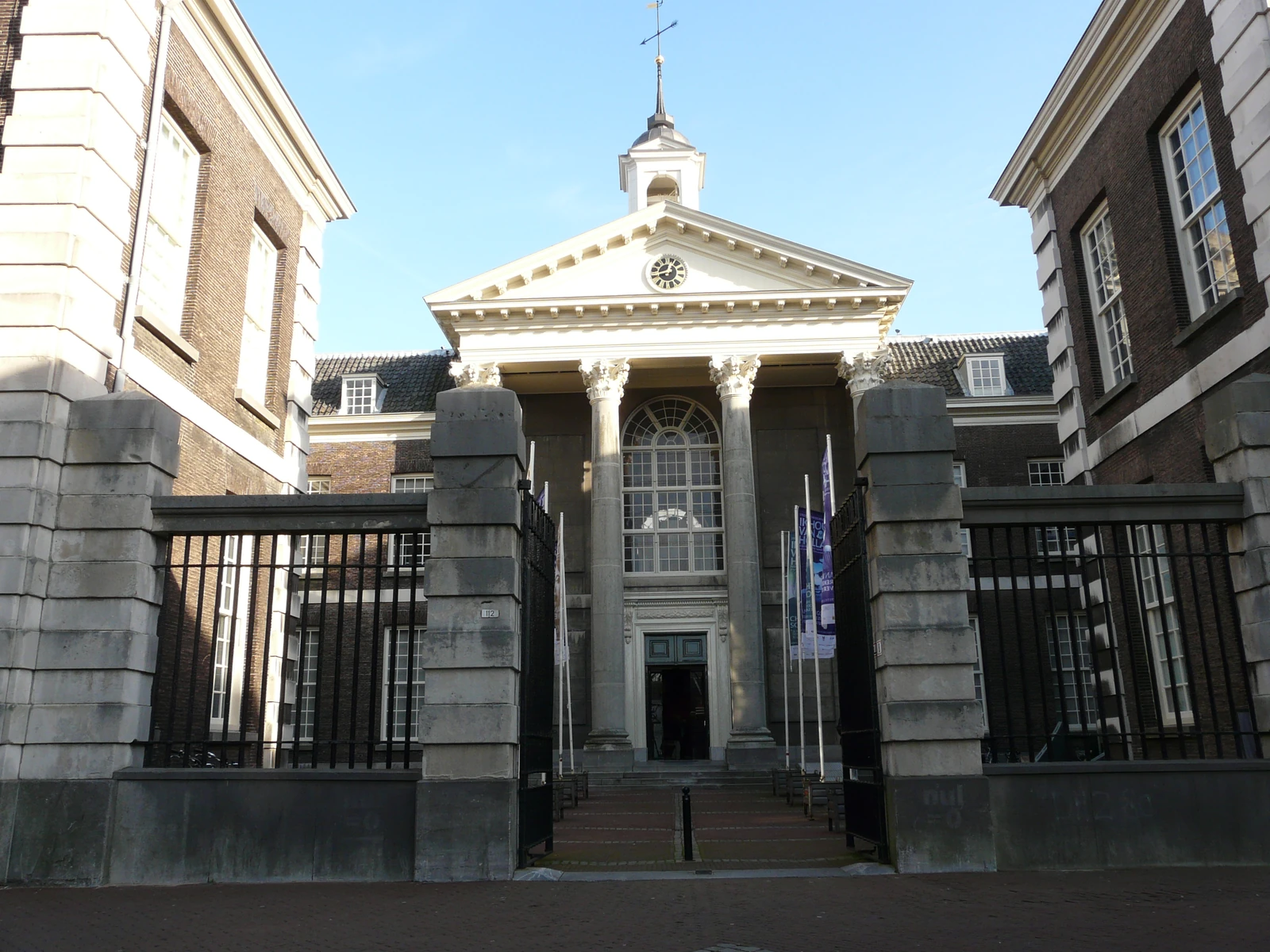
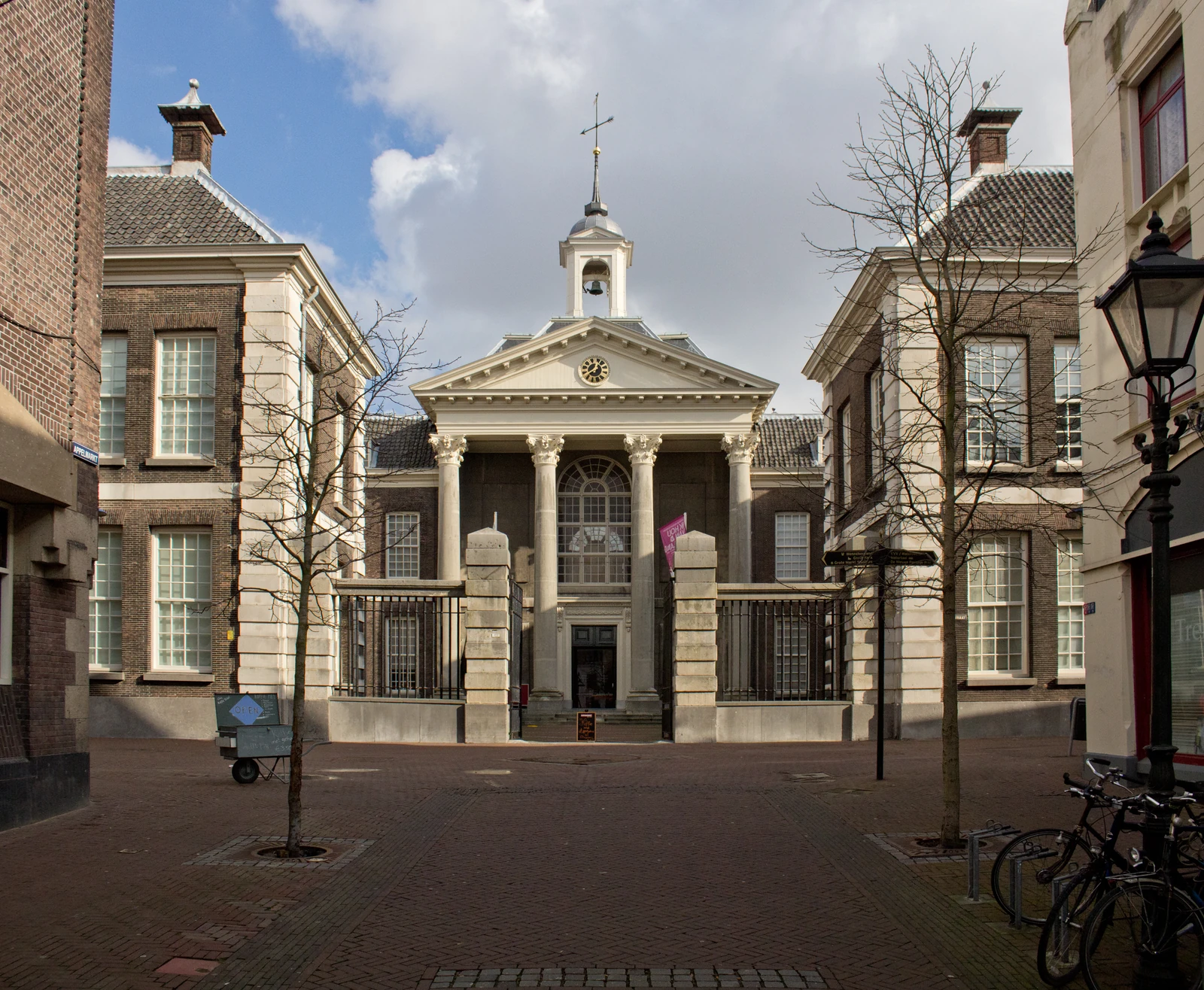
The setting adds its own history. Stedelijk Museum Schiedam occupies the former Sint Jacobs Gasthuis. The present building was designed by Jan Giudici and opened in 1787. Two wings surround a chapel; the museum describes a symmetrical plan and a façade with large columns and a pediment.
The museum moved into the building in 1940. The institution itself is older: its history begins in 1899, with the bequest of Major Visser. His collection of historical objects went to the town, with an obligation to establish a museum. In the 1950s, the town council opted for work by living Dutch artists. Director and curator Pierre Janssen subsequently bought work by Cobra artists.
Since 2016, the museum has again given its historical collection a prominent place in its activities. For Broodnodig, that combination of art and social history fits the subject: the story of food is told through a variety of works, with attention to the people doing the work.
Eating in the museum chapel
The former chapel also houses the museum café. The visitor information describes a vegetarian lunch buffet using local products, where visitors pay what they can. A visit can therefore end with food in a place where art, architecture and everyday use meet. The café programme and what is on offer may change; the museum website provides current information.
Planning your visit
Broodnodig is scheduled from 10 October 2026 through 14 March 2027, inclusive. The address is Hoogstraat 112, 3111 HL Schiedam. The museum is open Tuesday to Sunday, 11am–5pm. It is closed on Mondays, 25 December and 1 January.
On 4 October, the visitor page listed a full admission price of €21.50, including a temporary €5.00 surcharge. According to the same page, the surcharge applies through 25 October 2026; Museumkaart (Dutch museum pass) holders pay €5.00 during that period. Admission is free for visitors aged 18 or under. Only debit-card payments are accepted at the ticket desk. Check current prices and any surcharge before travelling.
Visitor information checked on 4 October 2026.
Sources and image credits ↗