Behind the scenes
Why a museum is sometimes sparing with light
A watercolour or an old dress can be beautiful and still be shown in a fairly dark room. There, the museum is rationing something that cannot be given back: the amount of light the object can tolerate.
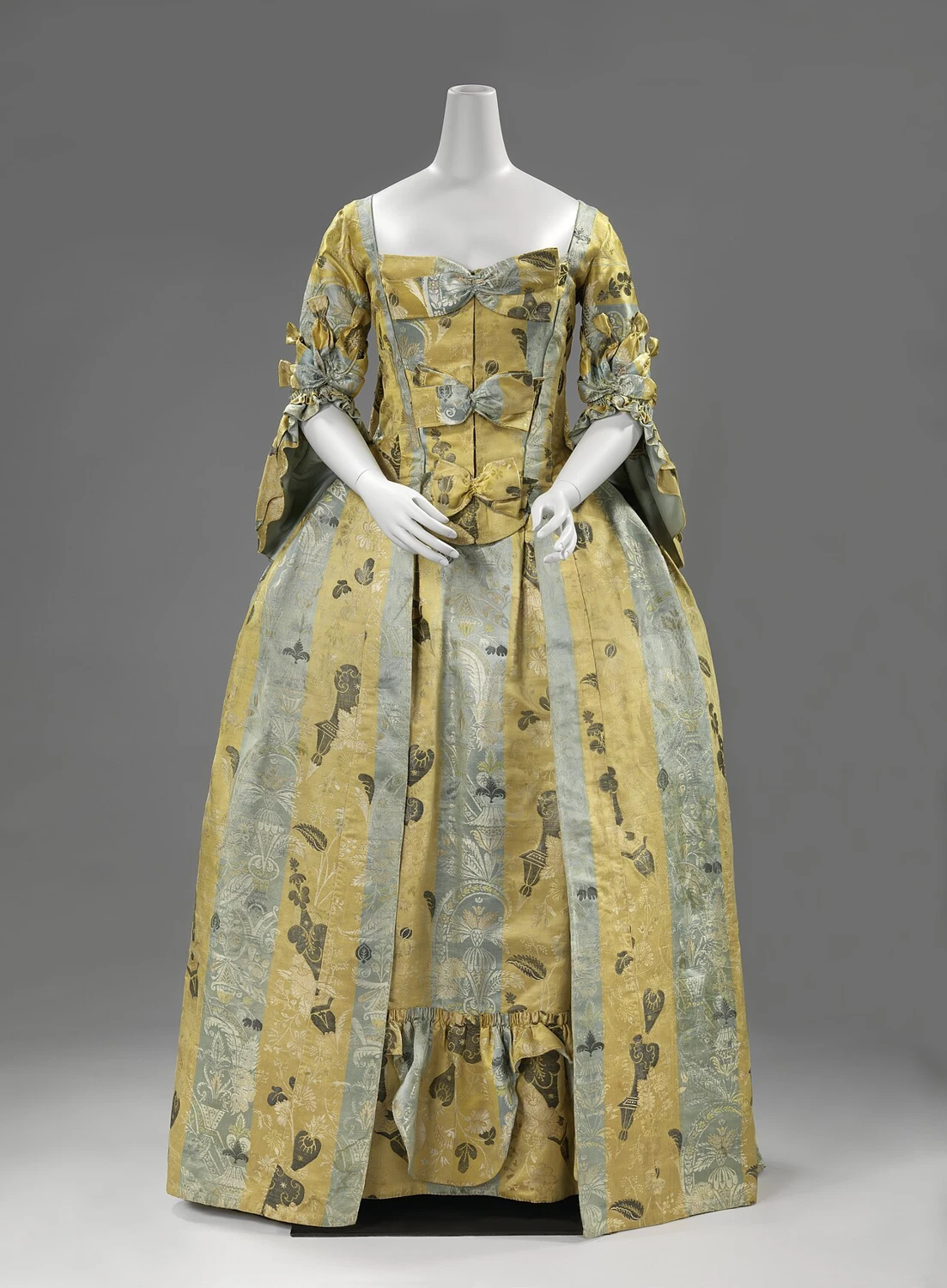
Light makes a collection visible. At the same time, in sensitive materials it can change colours and weaken the material. The Cultural Heritage Agency of the Netherlands (Rijksdienst voor het Cultureel Erfgoed) stresses two characteristics of this damage: it accumulates and it is irreversible. A faded colour does not grow stronger again by itself when the object goes back into storage.
That is why a museum looks at more than how bright a lamp is. Duration counts too. The light dose is expressed in lux hours: the illuminance multiplied by the exposure time. Showing an object for fewer hours can therefore limit the total dose, just as lighting it less brightly can.
The same light, divided differently
The Canadian Conservation Institute gives a worked example for textiles: 400 hours at 100 lux and 800 hours at 50 lux deliver the same dose. Both come to 40,000 lux hours. This makes it clear why a short exhibition and a permanent display may call for different choices.
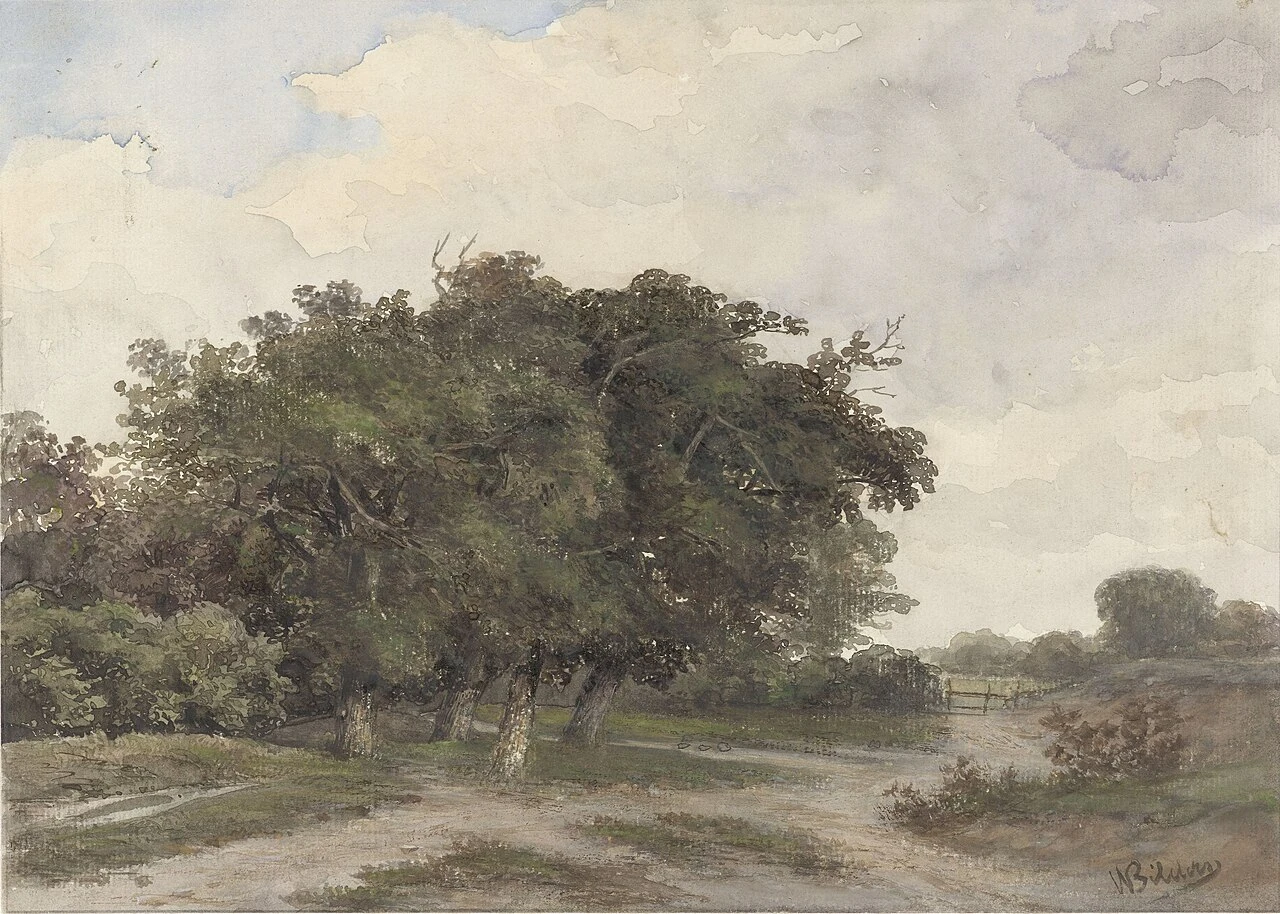
The institute also describes practical measures: switching lights off outside opening hours, letting visitors activate the lighting and showing pieces for only a limited period. Keeping objects in the dark prevents further exposure to exhibition lighting; it does not undo light damage already sustained.
Being able to see properly is also part of preservation
Yet ‘as dark as possible’ is not a complete museum policy. According to the Cultural Heritage Agency, visitors must be able to perceive an object and the presentation must remain attractive. How sensitive the material is helps determine what lighting is considered responsible.
The visitor makes a difference too. The Canadian institute points out that older eyes, and dark or finely detailed objects, may need more light to be seen properly. A fixed low value is therefore no guarantee of a successful visit. Nor are all works on paper or all textiles equally sensitive.
Lighting is thus a balance between people who want to look now and people who still want to see the work later. A temporarily empty space or a dimmed display case can be part of that balance. The museum preserves not only the object, but also the possibility of discovering something more in it in the future.