World & object
A body of paper that was allowed to come apart
Louis Auzoux’s anatomical models were made to be opened up. They show how a nineteenth-century student could study the inside of a body without dissecting a new body every time.
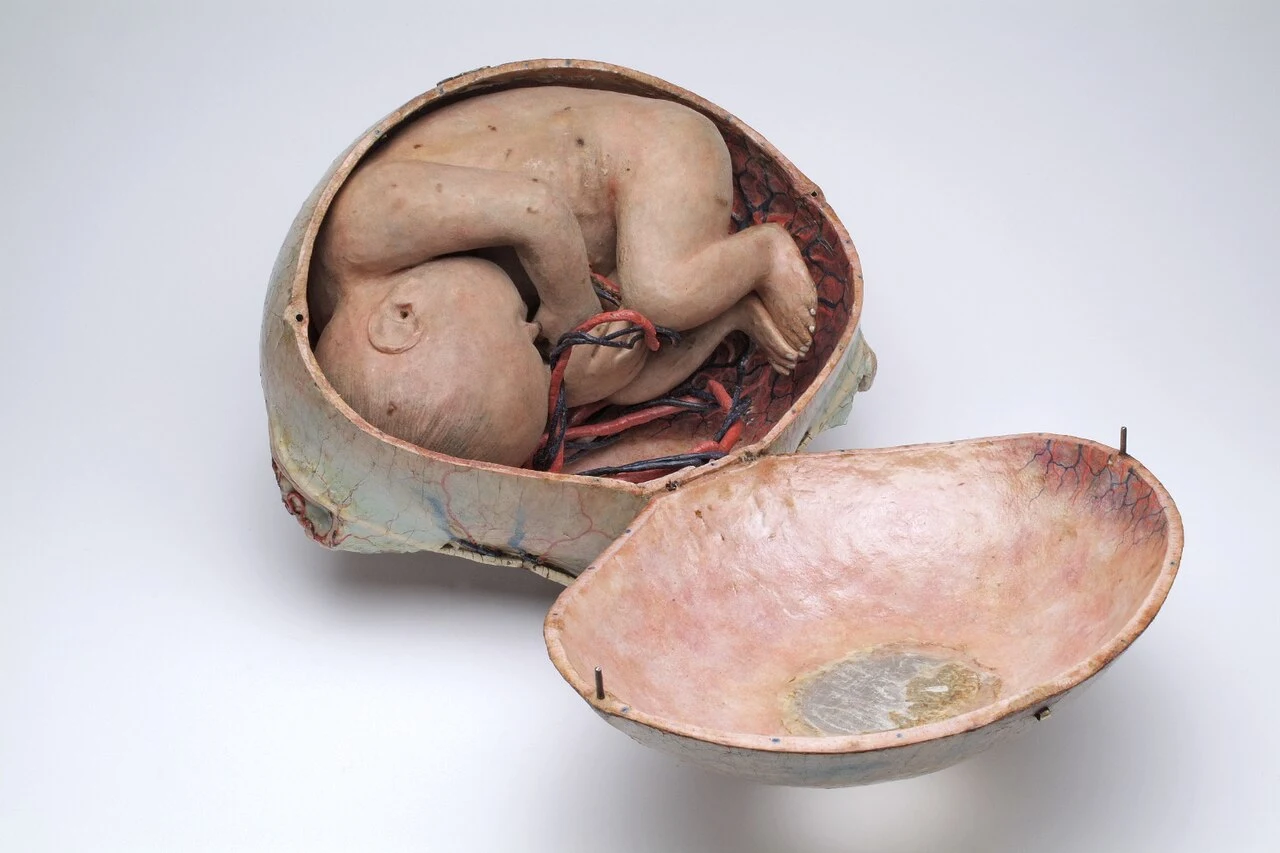
An anatomical model does not need a smooth exterior. On the contrary, muscles, vessels and organs have to be made visible. The French physician Louis Auzoux developed papier-mâché models that could be taken apart. Rijksmuseum Boerhaave holds around seventy of his models, intended for medical teaching in the nineteenth century.
The material was a practical choice. Older wax models were fragile and could warp in the heat. Auzoux worked with moulded paper pulp and made objects whose parts could be removed. Hooks, eyelets and labels helped to put them back in place.
Knowledge you could open
A drawing shows a single view. A model that comes apart also lets you examine proportions and successive layers. Not everything has to be visible at once: removing one part can make room for what lies beneath. The object was thus a teaching aid that invited handling.
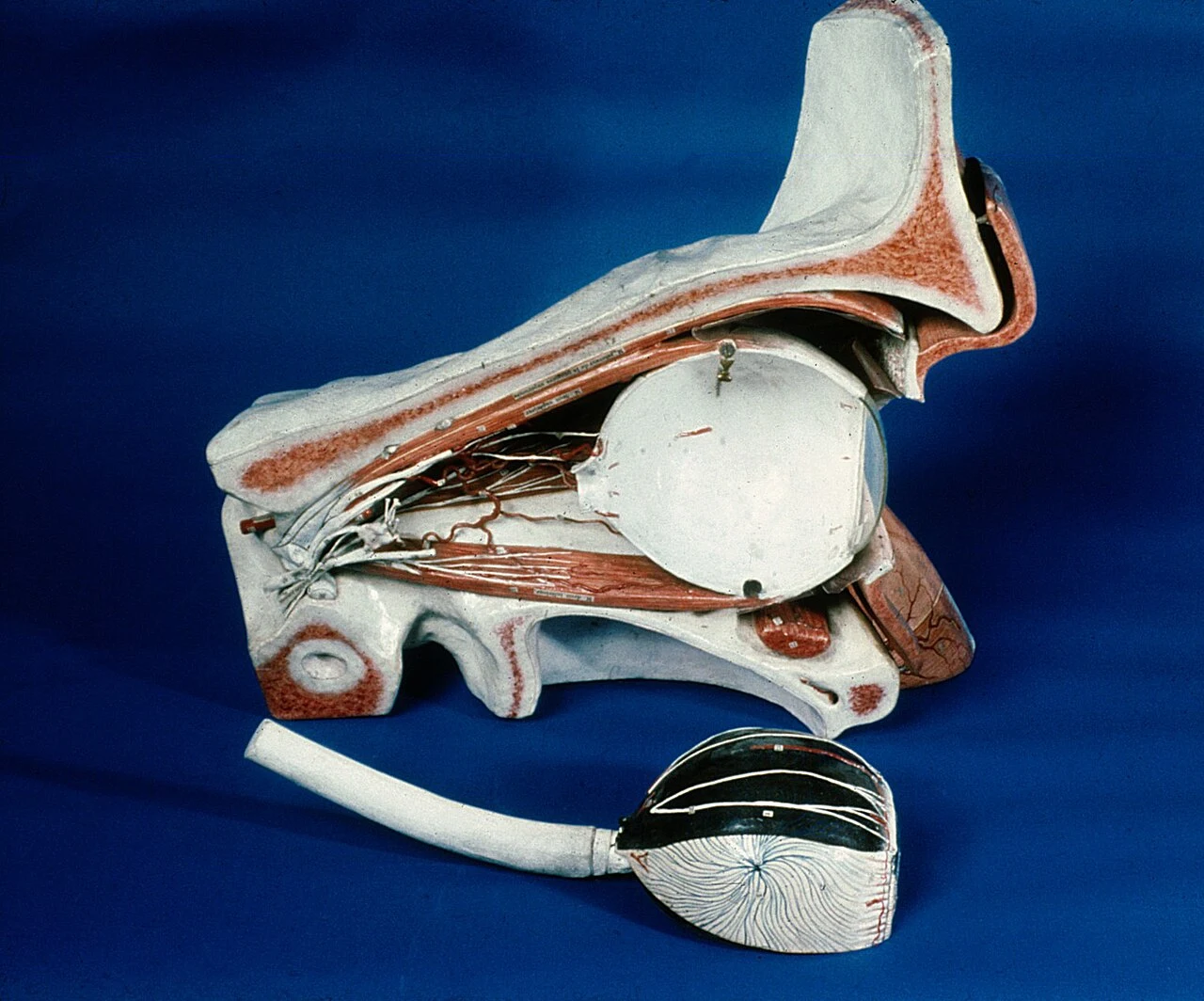
The Science Museum Group explains, in describing one of its own Auzoux models, why such aids became significant. Bodies for dissection were scarce and hard to preserve; public objections to the use of the dead also played a part. Models gave students and museum visitors a different way into anatomical knowledge.
The teaching aid has itself become fragile
What was once allowed to come apart now needs care. In 2017, a conservator at the Science Museum described how paint was flaking off an Auzoux model and layers of papier-mâché were beginning to separate. She stabilised the parts so that the object could be displayed again. An instrument for understanding a body had itself become an object whose construction had to be studied and preserved.
That fits with ‘Lichaam & Geest’ (Body & Mind), the theme of the Dutch History Month (Maand van de Geschiedenis) in October 2026. The models make a historical question tangible: how did our ways of getting to know the body change? Here that history lies not only in what is depicted. The hooks and the layers of paper tell it too.