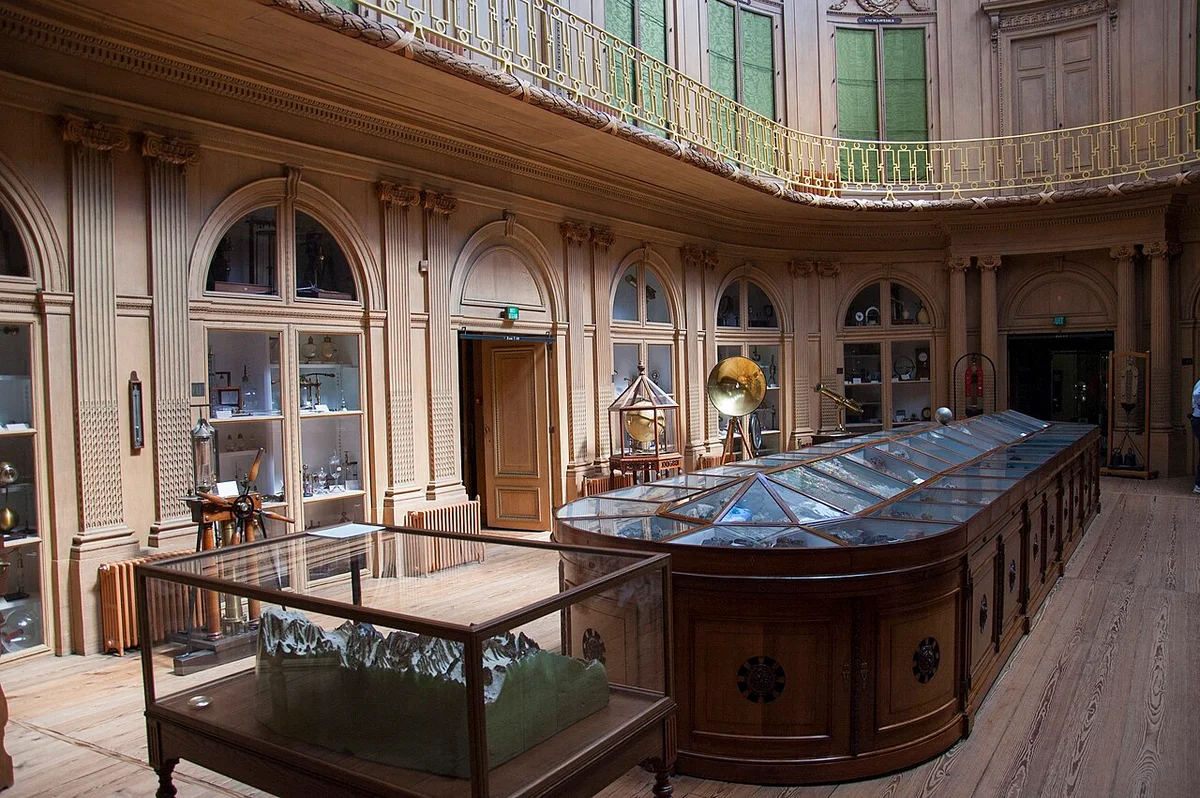
When Pieter Teyler van der Hulst died in 1778, he left money for art and science. Between 1779 and 1784, Leendert Viervant’s Oval Room rose in the back garden of his house on the Spaarne: a book and art hall in one. Instruments, fossils, drawings and coins shared the light of the same lantern. Look at the room today and you can still see that idea standing. Shelves full of minerals. Cabinets full of prints. A space that does not choose between beauty and measurement.
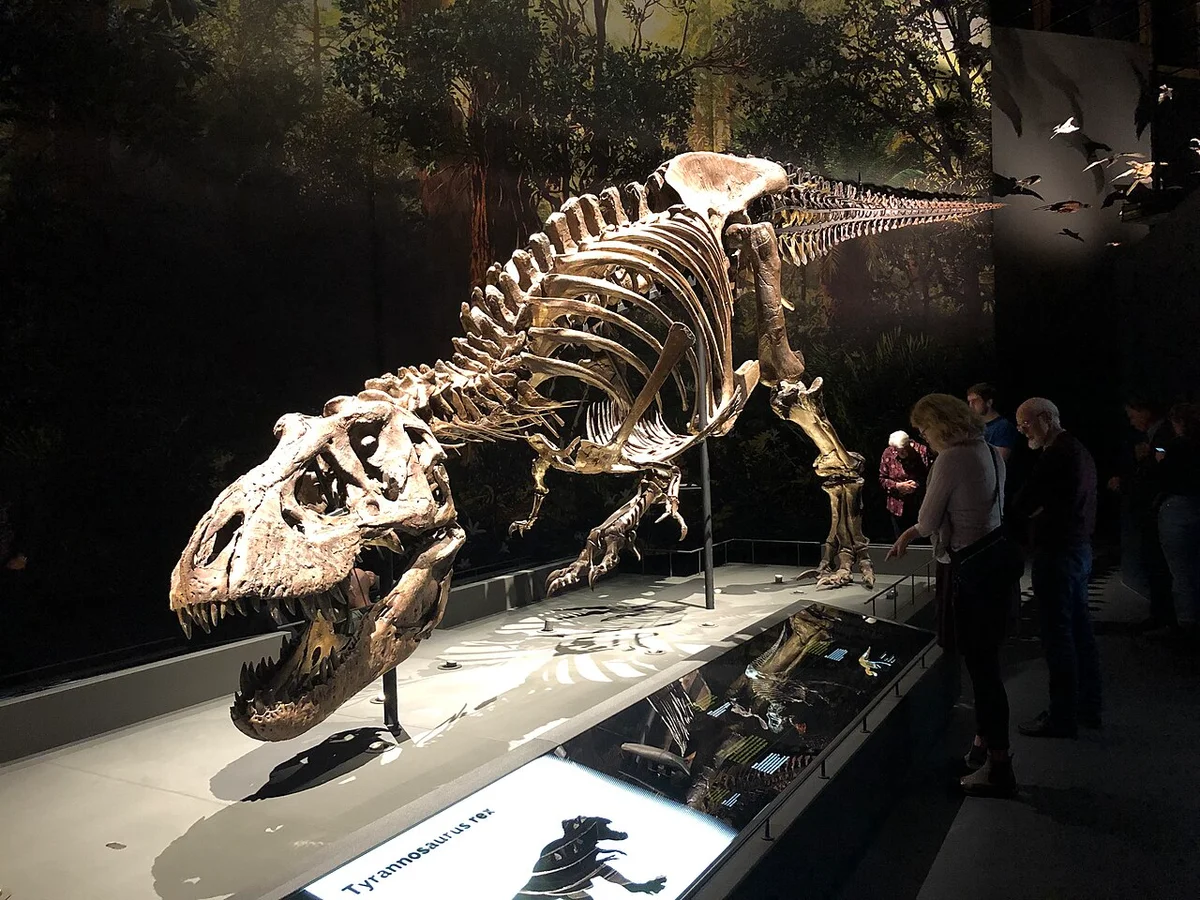
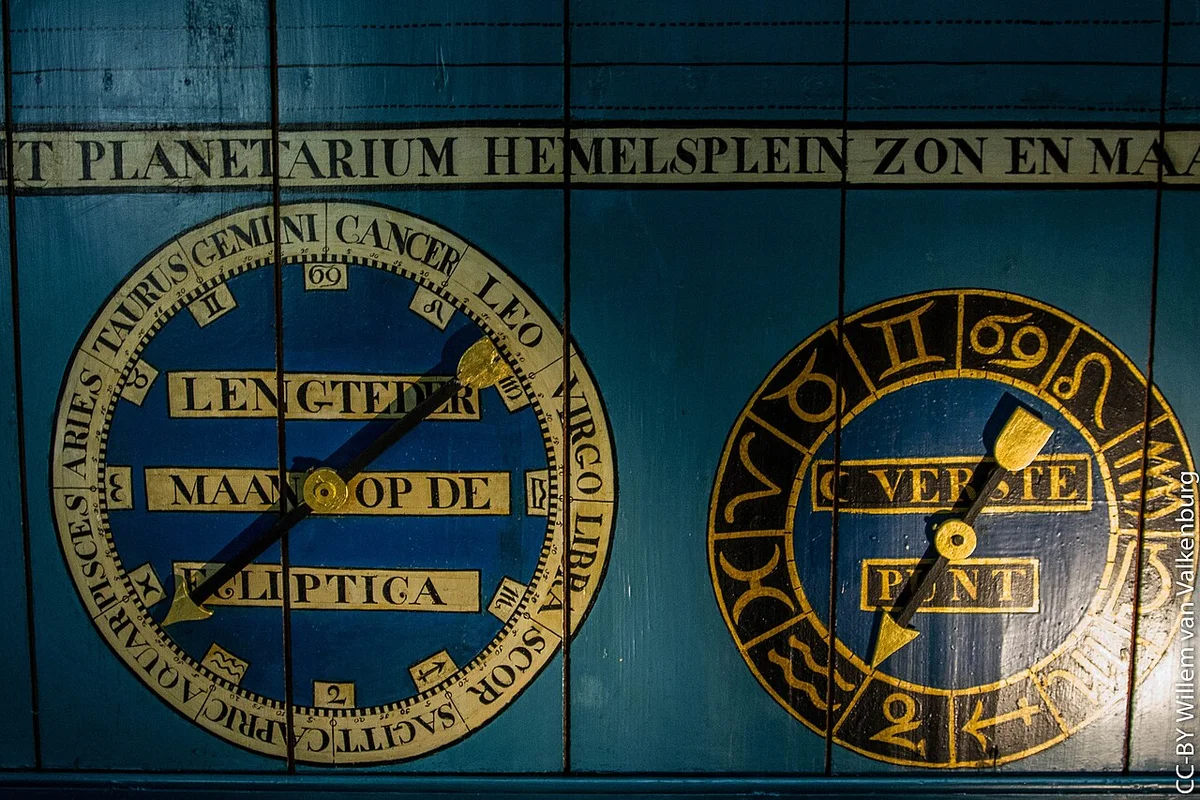
Between 1778 and 1950, Teylers was above all a workshop. Martinus van Marum bought the latest apparatus: electrostatic machines, telescopes, later early lamps. The fossil collection grew to tens of thousands of pieces. A drawing of a thunderstorm and a device that makes sparks answer the same curiosity. The distinction between ‘art gallery’ and ‘lab’ was invented later. Here the first question was: what is this, and how does it work?
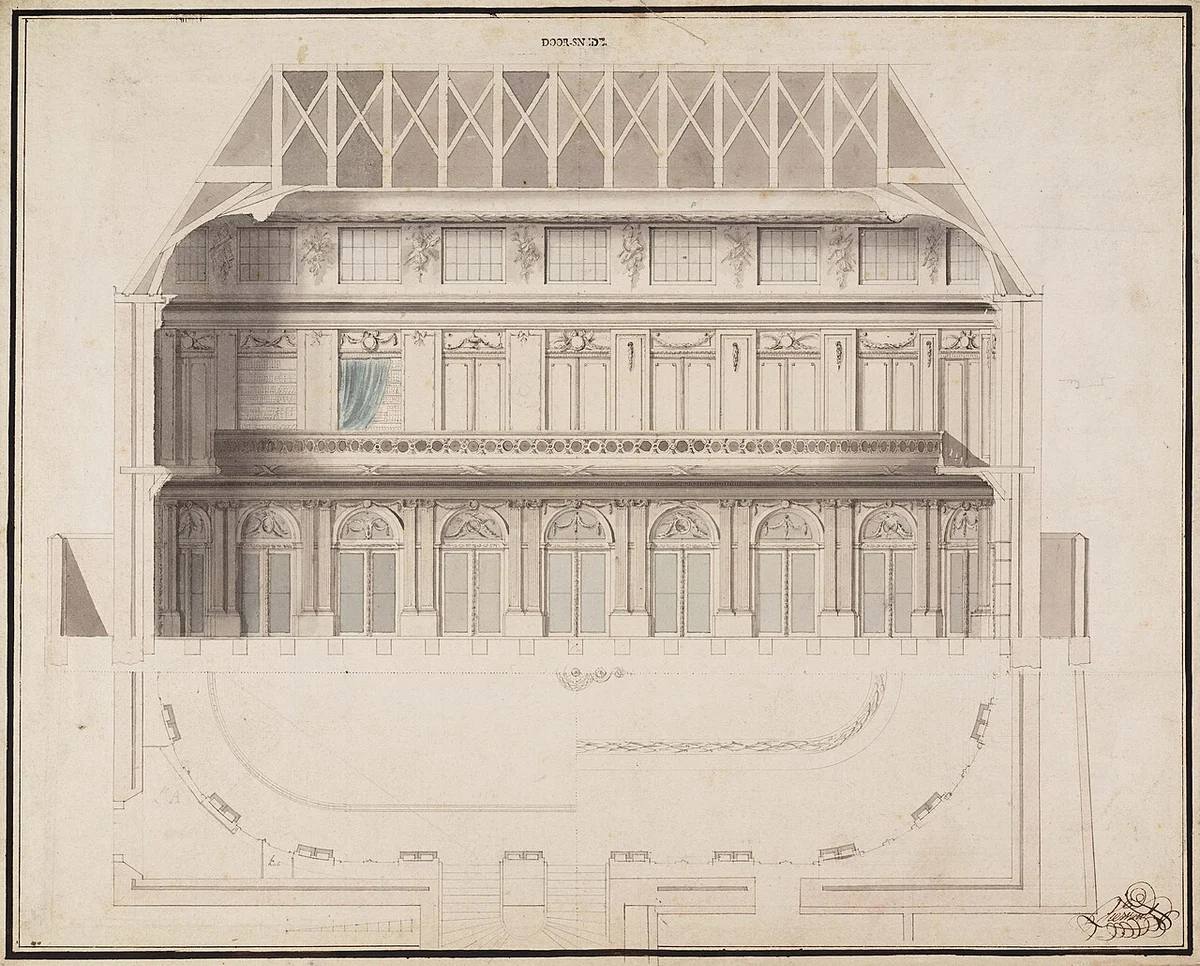
Look up at the oval gallery and then at a single instrument in the display case. The distance between those two glances is the museum: graceful woodwork and a question of measurement in the same room.