The Nederlands Openluchtmuseum collects buildings that are not palaces. A village house, a factory street, a windmill, a school: they were moved brick by brick because demolition or new development would otherwise have wiped them out. Heritage conservation often starts with churches and grand town houses. This museum draws attention to the roof under which someone cooked, slept and did the washing. The ordinary deserves an address too.
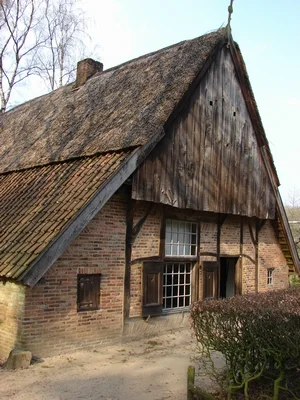
Walking between the buildings is reading how the Netherlands differed from region to region in brick, timber and layout. A Groningen farmhouse is not a Limburg one. A twentieth-century town house belongs here just as much as an older thatched roof. Crafts are demonstrated, not as folklore for the camera, but as an explanation of the tools. The site is big enough to make you forget that every house was once a removal box. Don’t forget it entirely. Every façade has a second birth.
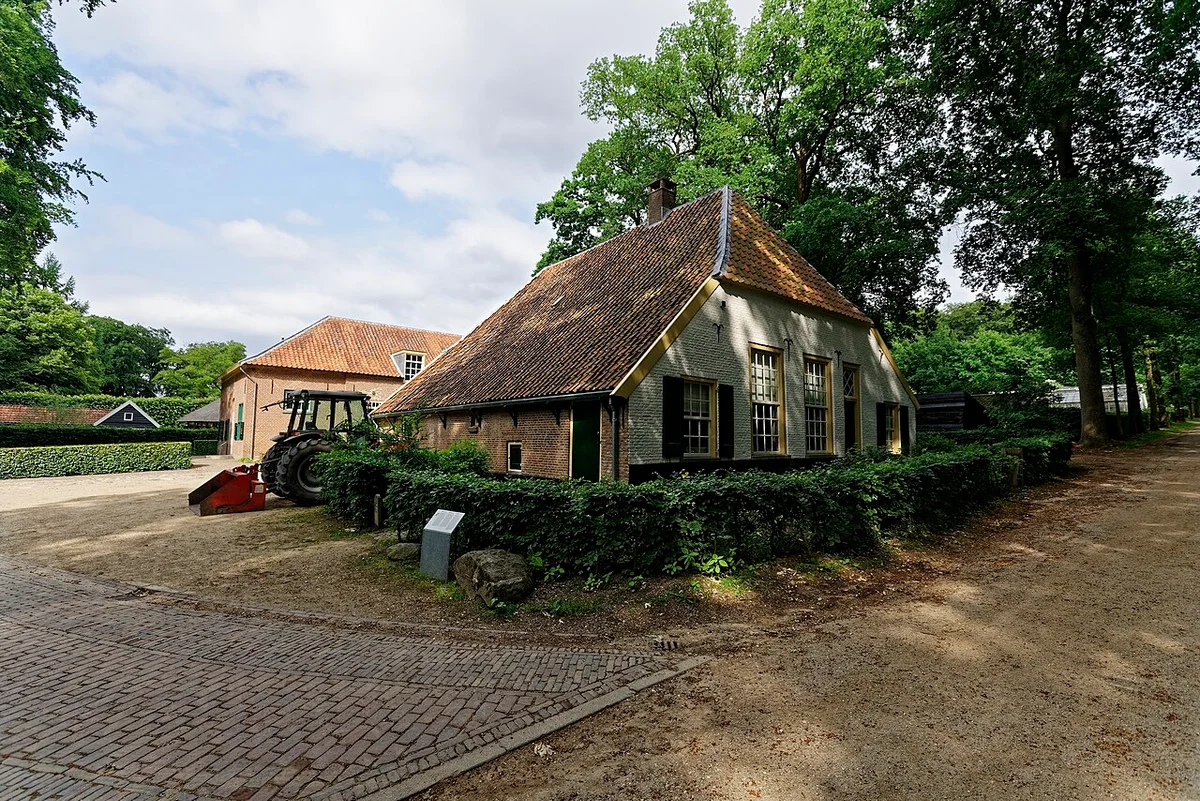
Look at the threshold of a worker’s house. What does the shape of that entrance tell you about how the house was used day to day?