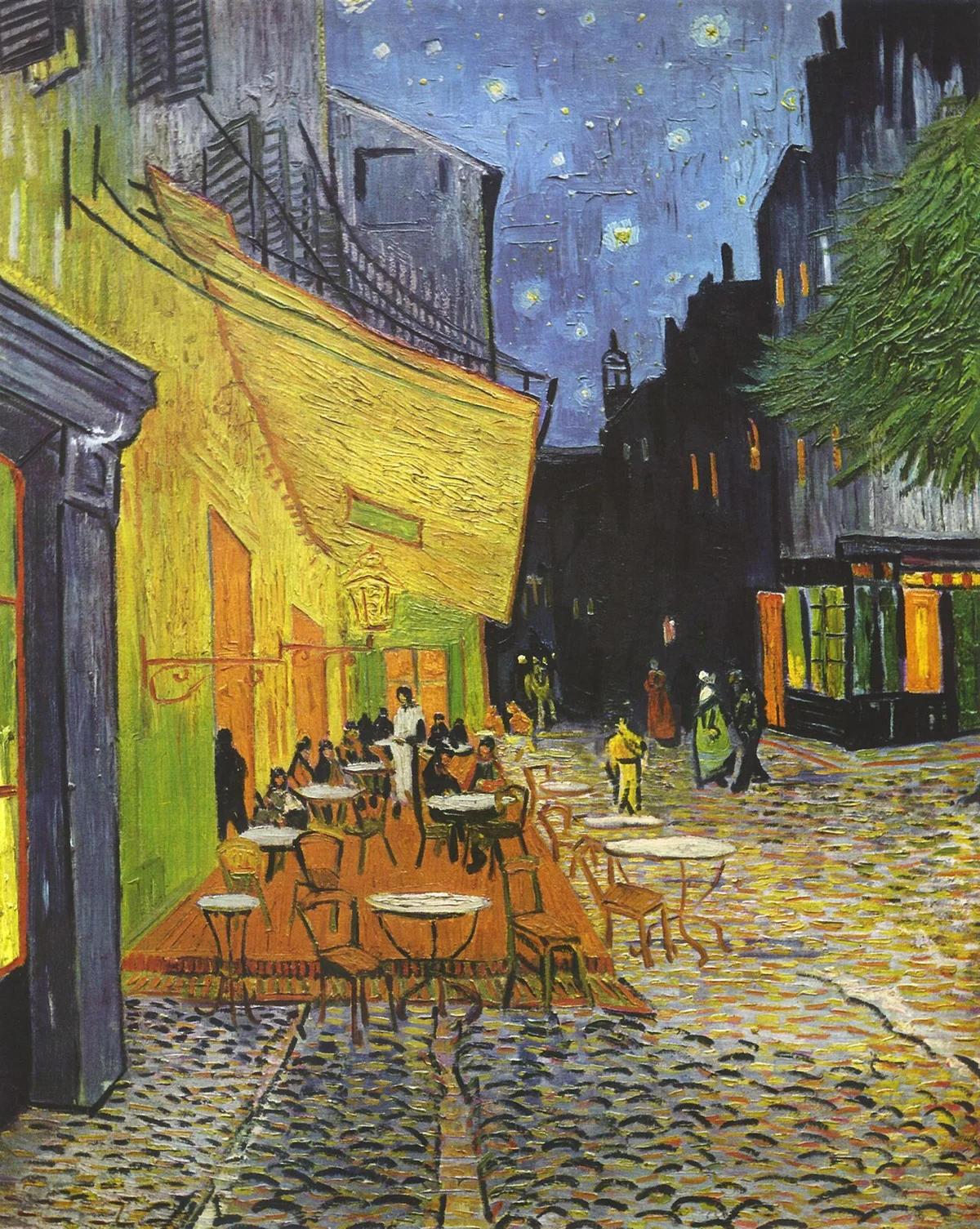
In the early twentieth century, Helene Kröller-Müller began buying modern art in a deliberate way, advised by H.P. Bremmer. Between 1908 and 1930 she acquired most of the 88 Van Gogh paintings that Otterlo now shows as its core. She was looking for work in which she recognised a spiritual thread. Van Gogh became its centre of gravity: not because the market already took him for granted at the time, but because she kept bidding and kept looking.
Henry van de Velde’s museum building opened in 1938. That house makes the collection visible; it does not explain the purchases. More interesting is the pattern in what she chose. Several orchards, labourers, late French colour. Less of the very earliest Dutch work. A collection is a series of yeses, and so also a series of refusals. Otterlo tells you which Van Gogh Helene wanted to show.
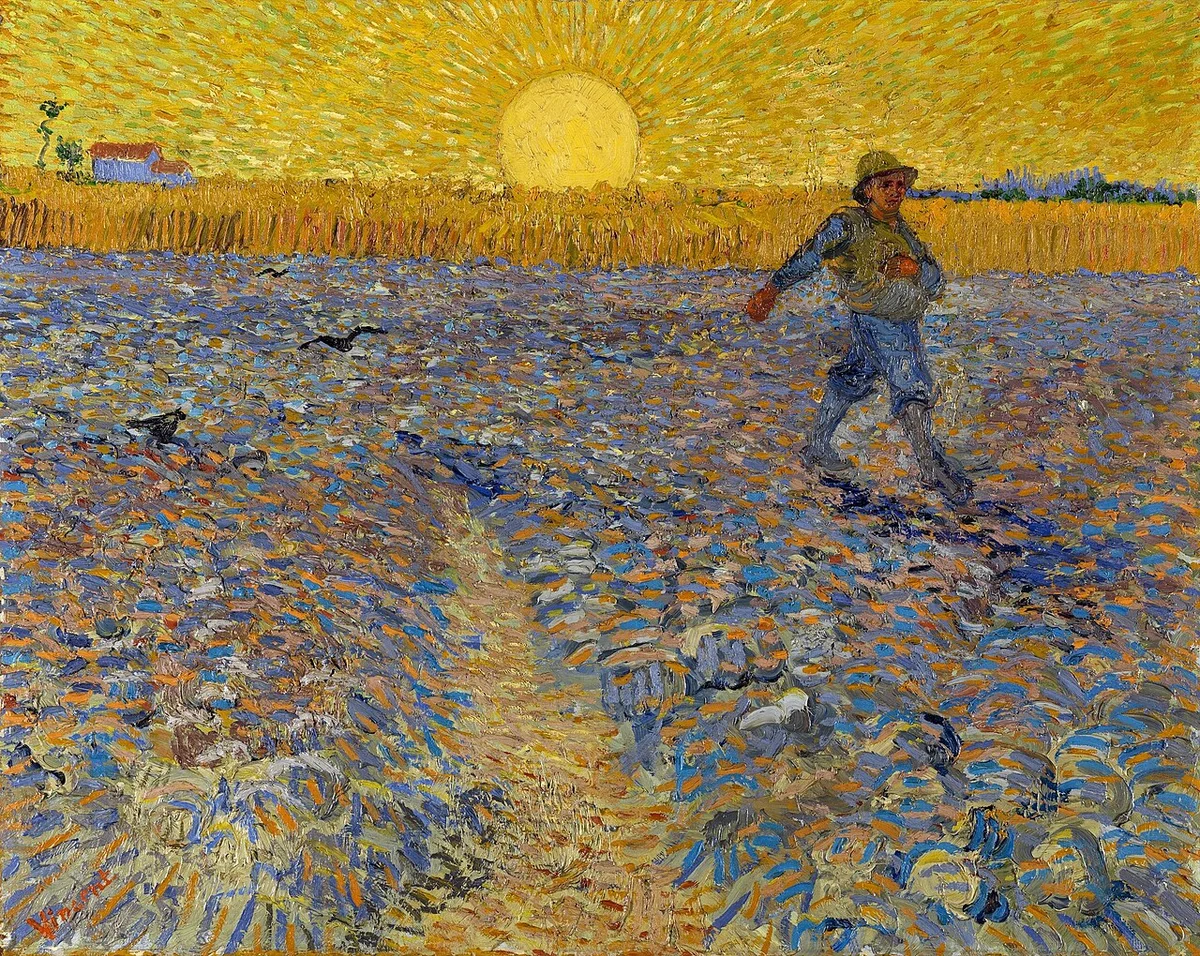
Notice how often the same motif returns. Repetition here is no accident in the paintings; it is an eye that recognised something and bought again. At the third wheatfield, don’t just ask what Vincent painted, but why this type of canvas kept drawing her in.