Tentoonstellingen
Yoshitoshi, master of the moon, at the Van Gogh Museum: a hundred prints, one moon
Since Thursday 1 October 2026 the complete series One Hundred Aspects of the Moon has been on show at the Van Gogh Museum, for the first time. Who was its maker, what does the series show and how did it end up in Amsterdam?
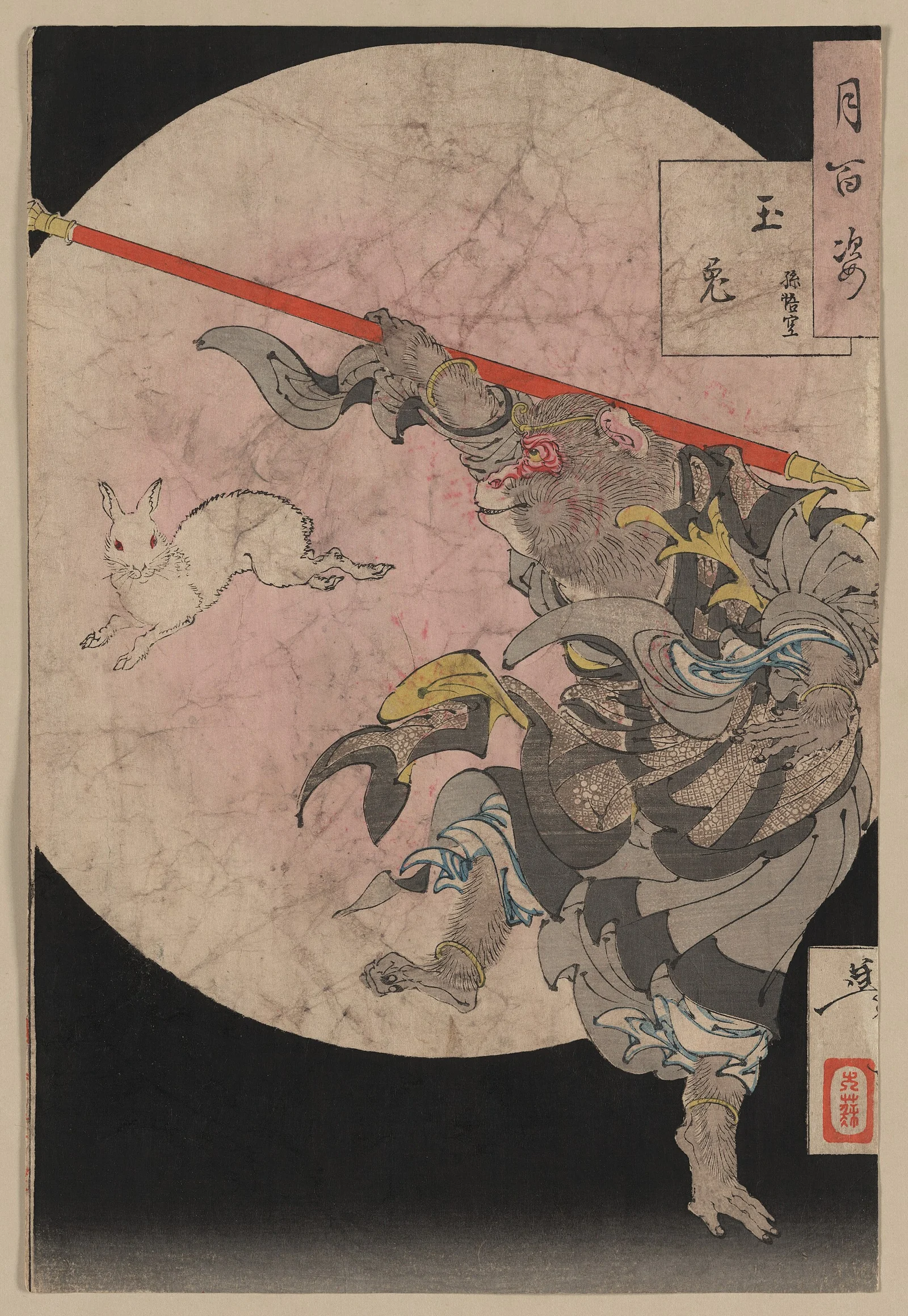
Since Thursday 1 October 2026 the exhibition Yoshitoshi. Master of the Moon has been on show at the Van Gogh Museum in Amsterdam, until 4 January 2027. The museum calls it a dossier exhibition. Its subject is a series of a hundred Japanese colour woodcuts that the museum has never shown before, One Hundred Aspects of the Moon by Tsukioka Yoshitoshi (1839–1892).
Museum Magazine previously wrote about what Vincent van Gogh took from Japanese prints. This exhibition looks the other way: at the maker of the prints and at his moon.
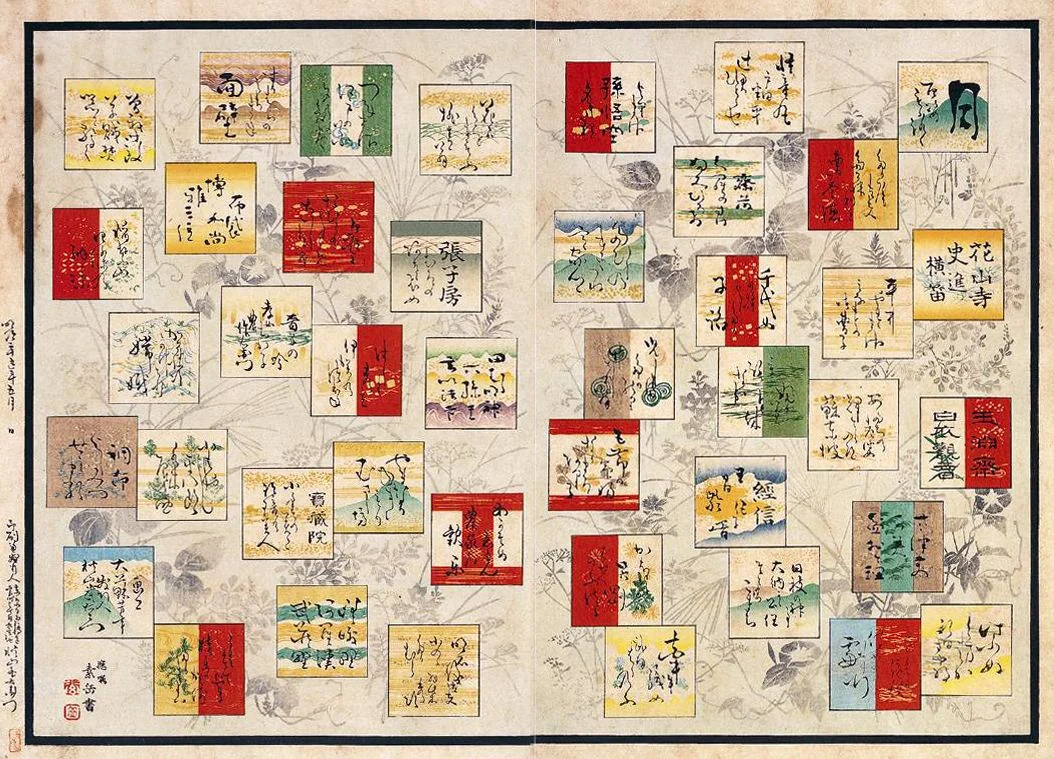
A hundred prints, a hundred stories
“One hundred prints, one hundred stories, and always the moon” is how the museum opens its description. You see poets, samurai, courtesans and mythical figures from Japanese and Chinese history, literature, mythology and folklore, the museum says. Yoshitoshi shows their stories in powerful, colourful compositions.
The moon is what binds them together. According to the museum, it stands for contemplation and nostalgia. Sometimes the moon is clearly in the picture; sometimes only the moonlight betrays that it belongs there. Wikipedia also notes that not every print shows the moon, but that it is the connecting motif.
The museum regards the series as Yoshitoshi’s masterpiece and as one of the last great series within the Japanese woodcut tradition, ukiyo-e. On show are, among others, Rising Moon over Mount Nanping – Cao Cao (1885), Poem – Ariko (1886), Inaba Mountain Moon (1885) and Jade Rabbit – Sun Wukong (1889).
The last great master
Yoshitoshi lived in a time of great change. In the second half of the nineteenth century, after almost two centuries of near-total isolation, Japan opened up to foreign influences. The country modernised radically. According to the museum, Yoshitoshi lamented the disappearance of the rich culture and traditions of old Japan. With One Hundred Aspects of the Moon (1885–1892) he tried to keep them alive for his contemporaries.
He worked according to the traditional principles of the woodcut, but also adopted Western influences, such as perspective and realism. In doing so he developed a distinctive, innovative visual language. The museum calls him the last great master and innovator of ukiyo-e. The English-language Wikipedia also describes him as widely recognised as the last great master of this genre.
How the series came to Amsterdam
The hundred prints were recently added to the museum’s collection, thanks to a donation from the estate of Elise Wessels (1943–2023). She was an art collector and founding director of the museum Nihon no hanga. She left her collection to several Dutch institutions so that future generations can get to know it, the museum says. Through Dutch inheritance tax, in the form of payment in kind, 141 Japanese prints from her collection, including the complete series, passed to the Dutch State, with the Van Gogh Museum as custodian, according to the museum.
The museum calls the series remarkably complete and in excellent condition. The Italian art magazine Finestre sull’Arte writes that its completeness and good condition make the series special, and that the exhibition shows the entire series at the museum for the first time.
A link with Van Gogh
Vincent van Gogh admired Japanese colour woodcuts. From 1885 onwards he built up a collection of hundreds of prints, including five by Yoshitoshi, according to the museum. Small holes in the corners of the sheets show that Van Gogh pinned up the prints and studied them. Their large areas of colour, strong outlines and unexpected compositions played an important role in his development.
A different way of looking
Yoshitoshi began his moon series in 1885, and in the same year Van Gogh began collecting Japanese prints. If you see the series now, you recognise what, according to the museum, Van Gogh appreciated in it: large areas of colour, strong outlines and unexpected compositions. But they are not lessons. They are little night scenes in which a moon points out the light, sometimes without your seeing her. That is why the moon is easiest to find in what she illuminates.
Sources and image credits ↗